Learngeneticsscience
Criollo, Amelonado and the Panamanian sancocho: what the first genetics study of Panama's cacao found
A 2026 study sampled 80 trees in Bocas del Toro and Herrera. Bocas is a mixed stew of ancestries; Herrera hides almost pure Criollo. Here is what it means for flavour and for farmers.
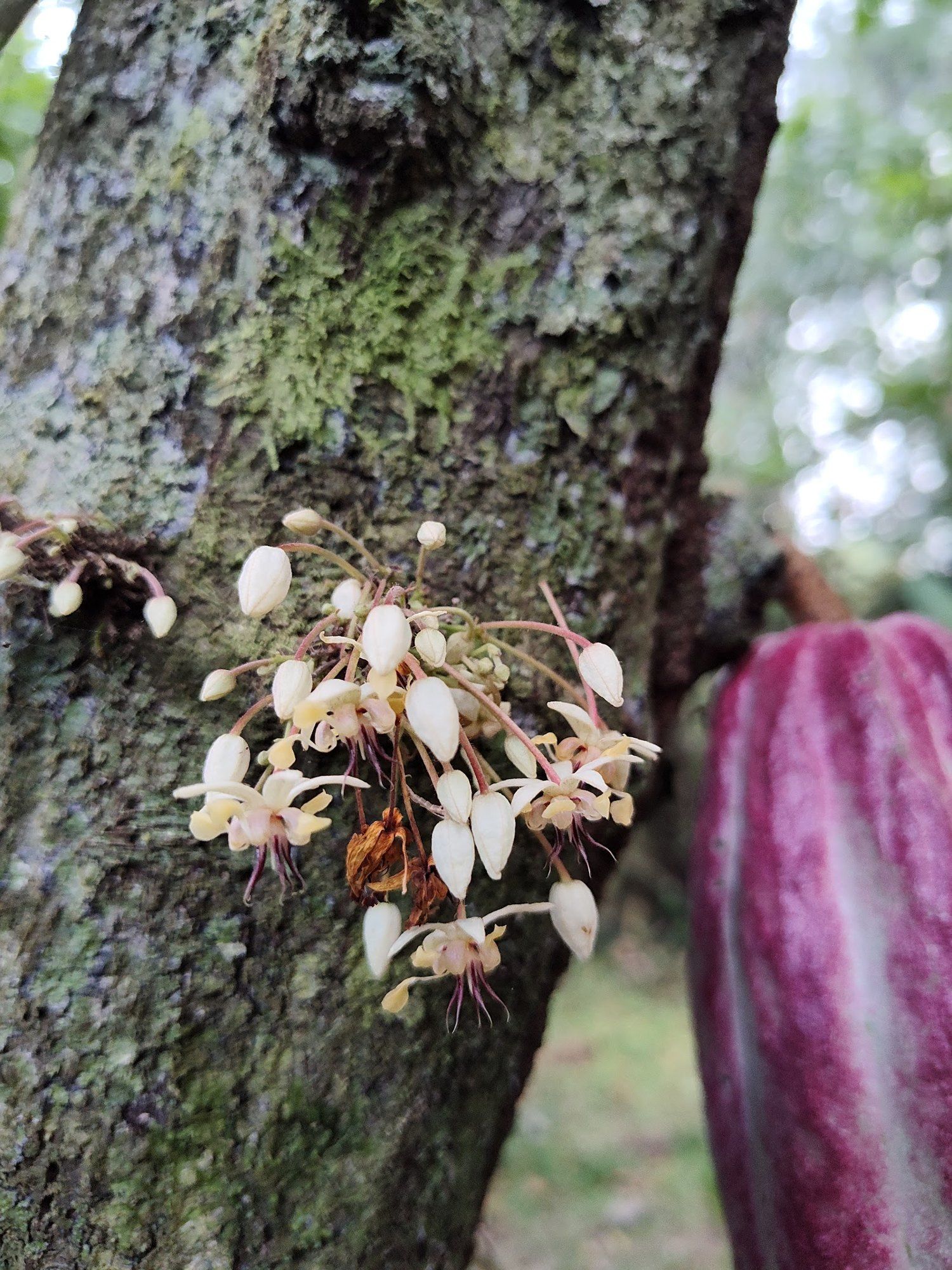
For decades nobody could say what Panama’s cacao actually was. Trees were planted from seed, from whatever pod a neighbour had, from government programmes that handed out hybrids in the 1970s and 1980s, and from seeds brought back from Costa Rica. The result is what one Bocas grower calls a sancocho, the Panamanian stew with everything in the pot.
In July 2026 the first peer-reviewed answer arrived. Natalie Ferro-Lozano and colleagues at Wageningen published Contrasting germplasm composition and propagation practices in the two major cacao-growing areas in Panama in Genetic Resources and Crop Evolution. They sampled 80 trees on 16 farms in Bocas del Toro and in Herrera and ran them against the reference genetic groups of cacao.
Bocas del Toro: a broad mix
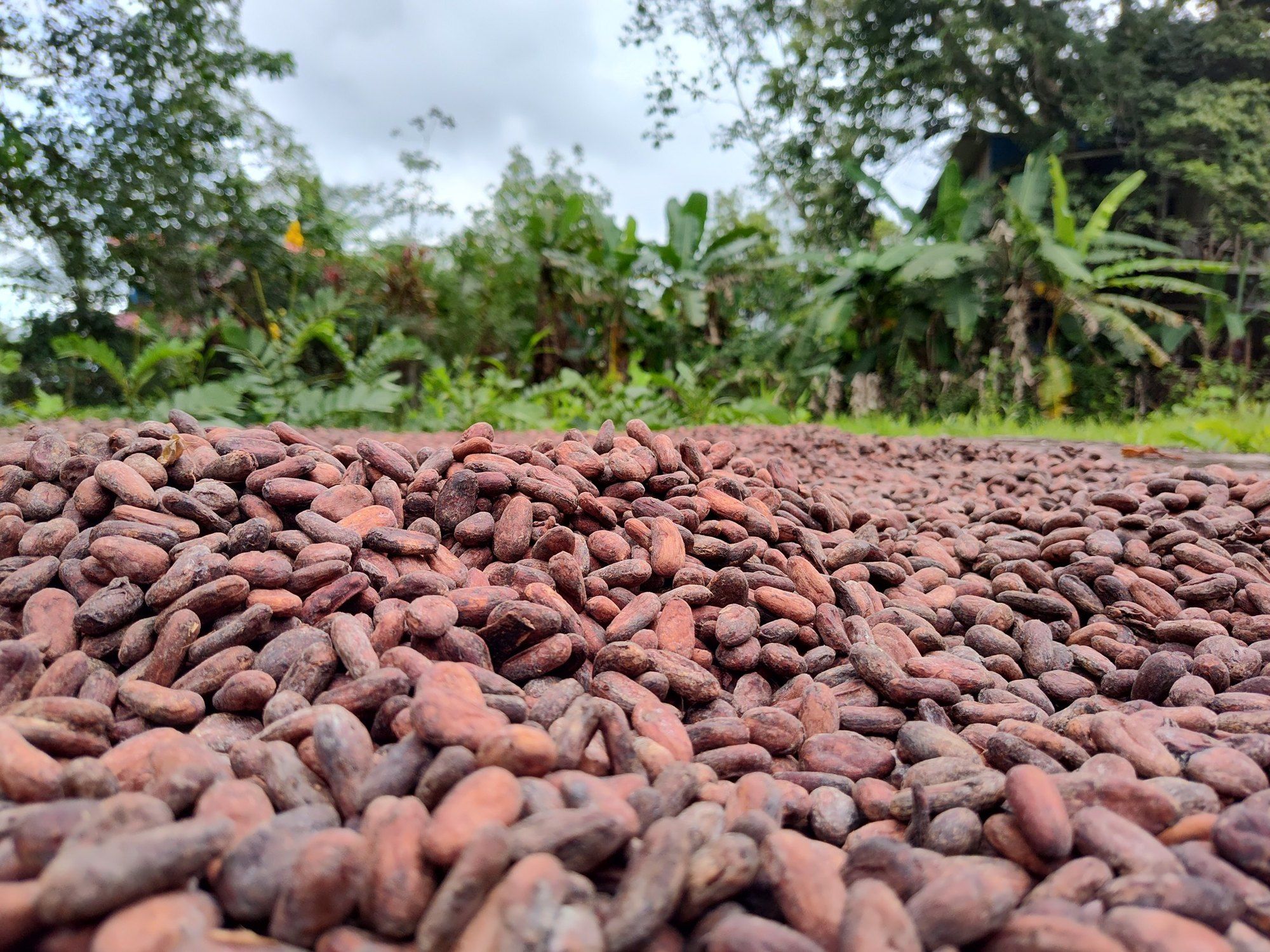
Bocas trees showed a wide blend of ancestry. The backbone is Amelonado, the vigorous, productive lower-Amazon type that makes up roughly 80 percent of the world’s cacao and is known for a flat, straightforward chocolate flavour. Mixed into it are Nacional, Nanay, Scavina (SCA) and Iquitos lines, the groups that chocolate tasters associate with floral, fruity and citrus notes.
That mix explains what every Bocas farmer sees: pods of every colour, size and texture on one plot, and fermentation batches that are sometimes flat and sometimes surprising. It also explains why a microlot from Bocas can score above 80 in a European bean-to-bar competition while the bulk harvest from the same district sells at commodity prices.
Herrera: Criollo survived in the dry hills
The surprise was in Herrera, on the Azuero peninsula, where cacao is a backyard crop in the hills of Las Minas. There the trees were mainly linked to Criollo and Amelonado, and at one farm five trees showed more than 99 percent Criollo ancestry in both root and leaf samples. The researchers called this rare. Criollo is the delicate, pale-beaned, aromatic group that most of the world lost to disease and to the pursuit of yield.
Why did it survive here? Criollo is self-compatible. An isolated tree can pollinate itself, fruit, and keep its bloodline pure. In the dry, sparsely planted hills of Azuero, isolation came for free.
What growers are doing with this
The conversation among growers since the paper came out has been more practical than academic:
- Fermentation matters more than genetics. The tasting course held in Changuinola in August 2026 drove this home: the same mixed Bocas beans, fermented and dried well, outperform a badly handled Criollo.
- Select and graft. With no money for DNA tests, farmers are using their eyes and their tongues: taste the beans from each tree, mark the best, and graft them onto rootstock instead of planting from seed.
- Isolated mother trees. In Azuero, growers are collecting seed only from Criollo trees more than a kilometre from any other variety, to keep the line pure.
- Not every Criollo is good. Professional tasters warn that white-beaned Criollo can be either spectacular or so flat it has no bitterness at all. Genetics is potential, not a guarantee.
The paper closes with a call to protect locally distinct cacao populations before they disappear under new plantings of commercial clones. As one Chiriquí grower put it in a Newsroom Panama column: the question is not whether Panama can grow more cacao, but whether it can recognise and protect what makes the cacao already here distinctive.
Sources: Ferro-Lozano et al. 2026, Genetic Resources and Crop Evolution · Newsroom Panama, Panama’s cacao rush
Newsletter
The Pod
One letter a month from a cacao farm in Bocas del Toro: harvest news, new makers, tours worth booking, and what we are learning about Panama’s cacao. No spam, unsubscribe any time.