Learnfarmingpost-harvest
Drying cacao in the rainiest corner of Panama
Bocas del Toro gets three months of near-daily rain right when the harvest peaks. Sun-drying can take over a month and grow mould. Here is how farms are solving it.
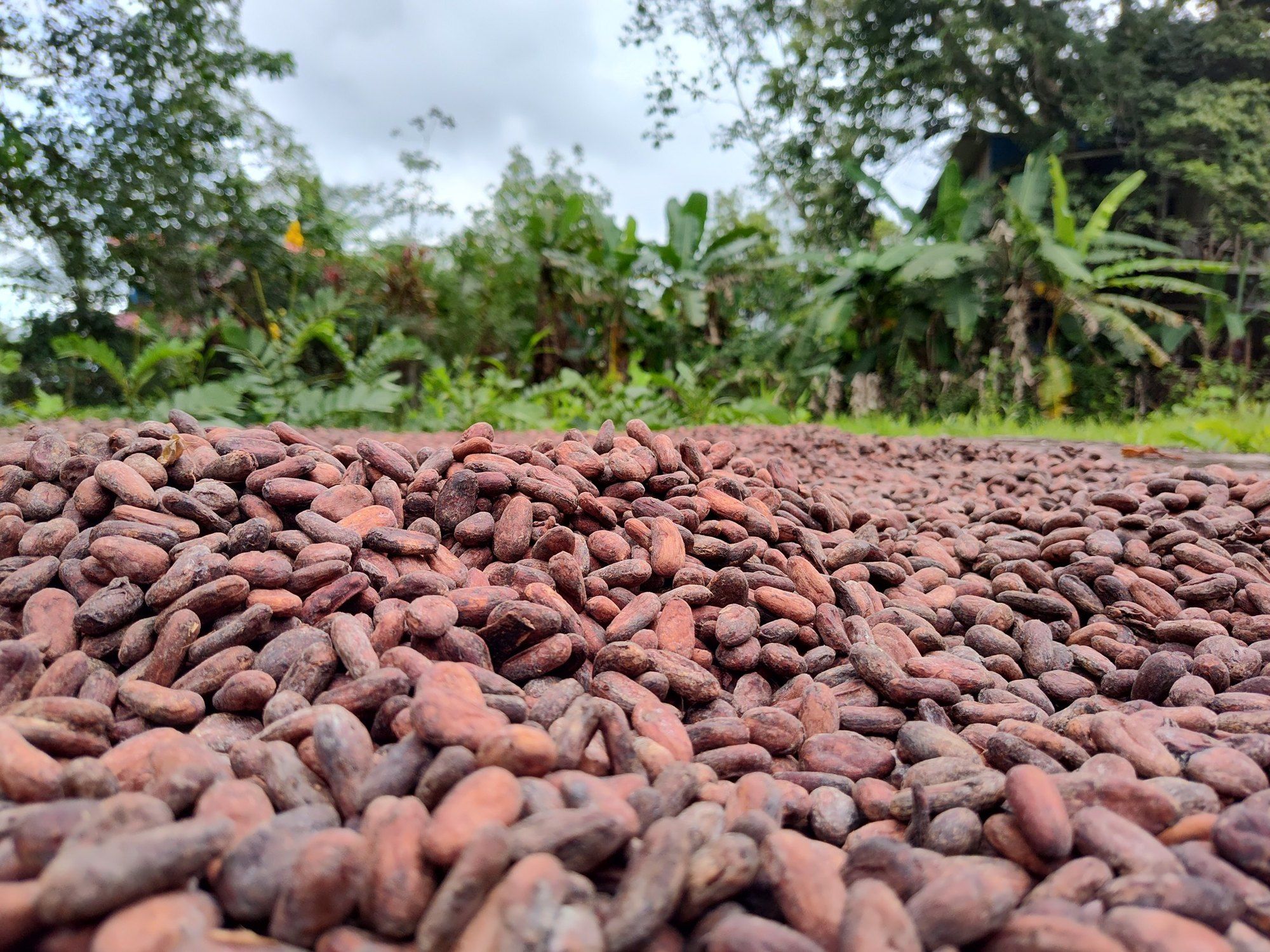
Ask a Bocas del Toro farmer what the hardest part of cacao is and the answer is not pests, not prices, not even fermentation. It is getting the beans dry.
Fresh fermented beans hold about 60 percent moisture. They need to come down to 7 percent to store, ship and roast without mould. On the Pacific side of Panama, in Azuero or Chiriquí, that is a week on a concrete patio in the sun. In Bocas the harvest peaks from October to January, and the same months bring the Caribbean’s wettest weather: fronts stacked one behind another, a day of sun every week if you are lucky, and humidity that one grower described as “a thousand percent”.
What goes wrong
Slow drying is not just inconvenient. Beans that sit damp for weeks:
- grow surface mould, which is a rejection defect in any quality market;
- keep fermenting inside, pushing acidity and off-flavours;
- lose the floral and fruity notes that the good Bocas genetics can give.
In a bad year a batch can take more than a month and arrive at the buyer as commodity grade whatever the farm did before.
The solar dryer era
The response has been a wave of home-built dryers. Typical designs in the archipelago in 2026:
- Solar tunnels. A long table of mesh under a clear plastic roof, open at both ends, sometimes with a small fan. Cheap, and on a cloudy day the greenhouse effect still gives a few degrees over ambient.
- Raised beds under roof. African-style mesh beds under a translucent roof, turned by hand several times a day. Slower but gentle.
- Hybrid dryers. A solar tunnel with a wood-fired or gas heat exchanger for the worst weeks. The risk is smoke taint, so the fire must never touch the air that reaches the beans.
One farm reported a first batch at nine days in a new tunnel and “almost dry, but still a lot of moisture”. Everyone is still modifying their design.
The rules that do not change
Whatever the dryer, Bocas farms converge on the same practices:
- Dry slowly at first. The first two days should be gentle so the bean skin does not seal in acidity. Then push harder.
- Turn constantly. Clumps and flat spots hold water.
- Measure. A cheap grain moisture meter pays for itself on the first saved batch. The snap test (a dry bean cracks cleanly) is the backup.
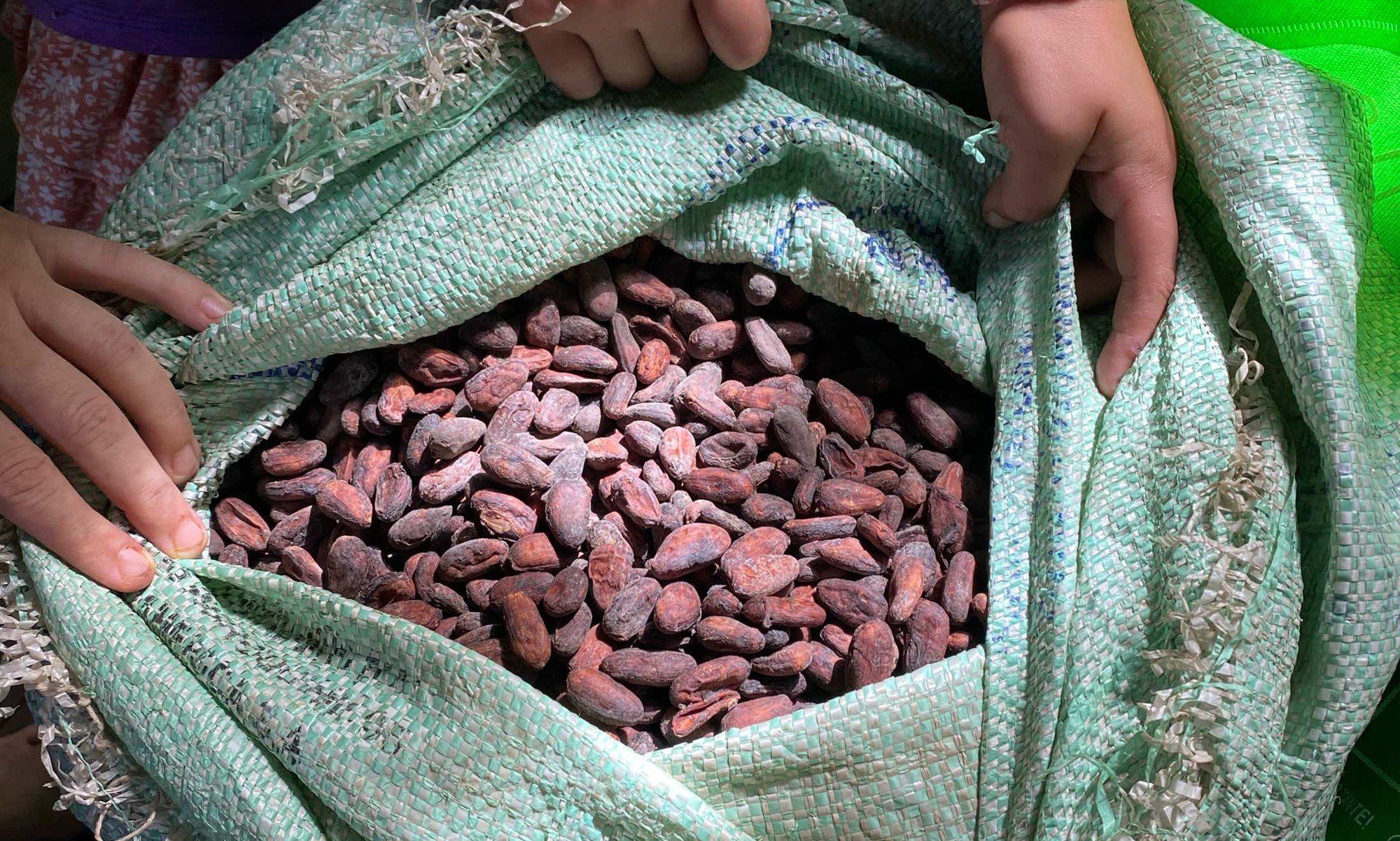
- Store dry. Jute sacks on pallets, off the floor, away from anything that smells. Humidity will try to come back in.
This is unglamorous work and it is where Bocas will win or lose its reputation. A buyer in Europe does not taste the farm’s genetics; they taste whether the farm got the beans dry.
Newsletter
The Pod
One letter a month from a cacao farm in Bocas del Toro: harvest news, new makers, tours worth booking, and what we are learning about Panama’s cacao. No spam, unsubscribe any time.