Learntastingpost-harvest
Fermentation matters more than variety: lessons from Panama's first chocolate tasting course
Six days, 200 samples, 22 students and 6 graduates. What Bocas del Toro growers learned when an international chocolate taster came to Changuinola.
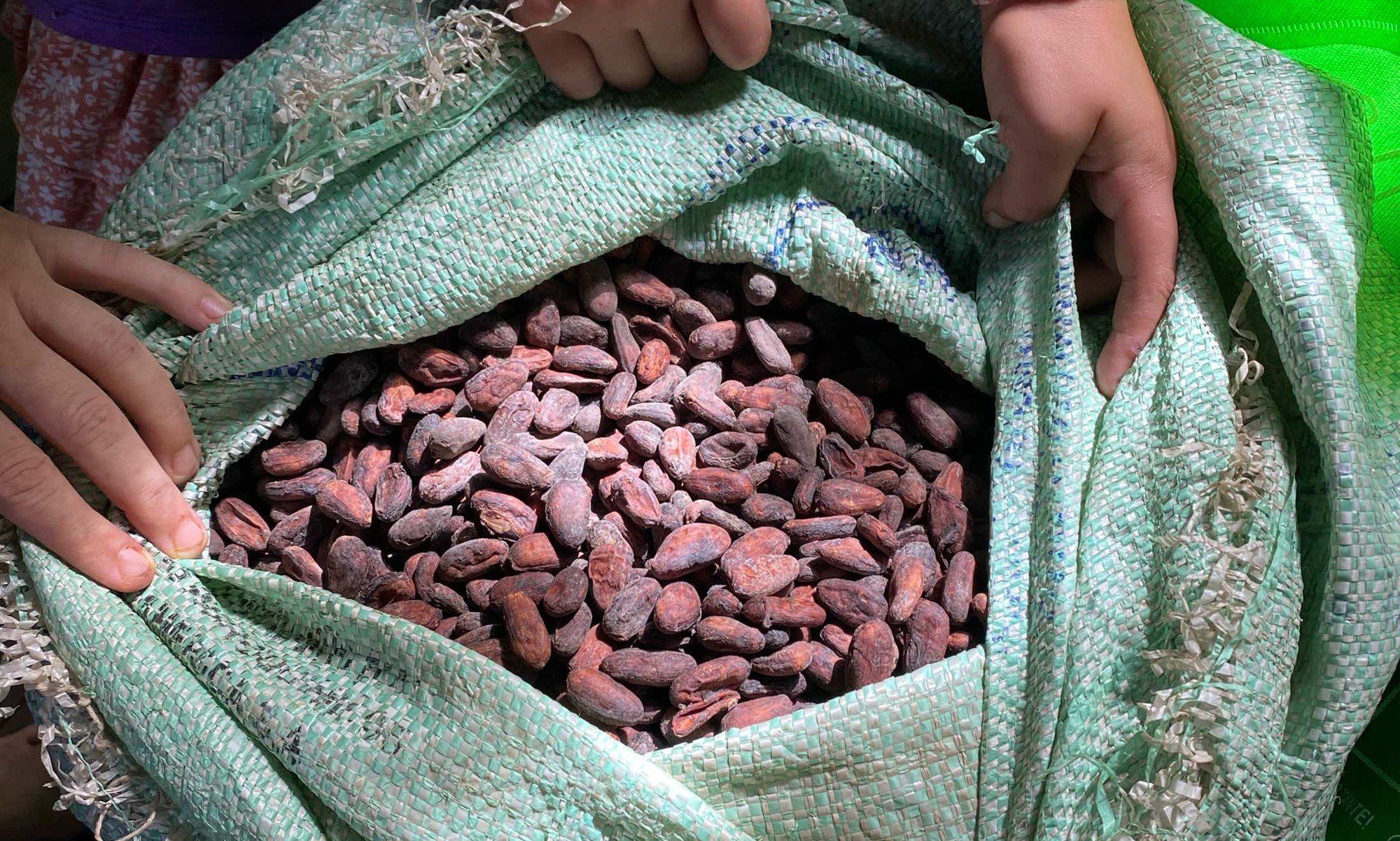
In late August 2026 something happened in Changuinola that had never happened in Panama: a certified chocolate tasting course, Levels 1 and 2 of the International Institute of Chocolate and Cacao Tasting, taught over six days by the Italian taster Monica Meschini. Twenty-two students enrolled, mostly growers and small makers from Bocas del Toro. Twelve-hour days. More than 200 chocolate samples from around the world. Six passed Level 2, the first in the country.
The graduates came home with a list of things they could now see, smell and taste in a bar that they had been causing on their own farms without knowing it.
Defects, in order of where they are born
The course walks through chocolate the way a mechanic walks through an engine. Every off-note has an origin:
| Where it goes wrong | What you taste |
|---|---|
| Harvest (unripe or overripe pods) | Thin, astringent, or rotten-fruit notes |
| Fermentation (too short, too long, uneven) | Raw beany flavour, or vinegar and ammonia |
| Drying (too slow, smoky) | Mould, musty cellar, smoke |
| Storage | Cardboard, stale fat |
| Roasting | Burnt, bitter, flat |
| Grinding and conching | Gritty texture, lingering acidity |
| Packaging | Plastic or cardboard aromas picked up by the fat |
Most of the table happens on the farm, not in the factory. That was the first shock.
“We are not in that category yet”
The second was honesty. After tasting the world’s fine-flavour benchmarks beside Bocas samples, one graduate wrote to the local growers’ group: we are not in this category yet. We have a lot to improve. But with effort and dedication we will get there. Everyone in the group thanked her for saying it.
The same week, a bar made in England from a Bocas microlot scored above 80 points in the course materials, with a profile of fruit, flowers and citrus. So the ceiling is real. The floor is the problem.
Why fermentation beats genetics
The course’s most repeated line: genetics gives potential, process gives flavour. A pure Criollo badly fermented is a disappointment. An Amelonado-heavy Bocas blend, fermented for the right days with good turning and dried slowly, can be excellent; the course tasted an award-winning Amelonado from Bali to prove it.
For a region where most trees were planted from mixed seed, this is good news. You cannot change your trees this year. You can change your boxes, your turning schedule, your cut-test discipline and your dryer.
What changes on the farm
Graduates are now pushing for three things in Bocas:
- Fermentation protocols by lot, instead of treating every harvest the same. Different genetic mixes want different days and turning.
- Cut tests every day of fermentation and drying, with a notebook, so that a good batch can be repeated.
- A local tasting panel, so growers can grade their own lots before a buyer does.
Panama learned to taste coffee twenty years ago and now sells the most expensive coffee in the world. Cacao, as one columnist put it, may be next.
Sources: International Institute of Chocolate and Cacao Tasting, Bocas del Toro course · Newsroom Panama, Panama learned to taste coffee, cacao may be next
Newsletter
The Pod
One letter a month from a cacao farm in Bocas del Toro: harvest news, new makers, tours worth booking, and what we are learning about Panama’s cacao. No spam, unsubscribe any time.