Pod to bar
Follow the bean
Seven steps turn a sour, fruity pod into a bar. In Panama most of them still happen by hand.
- 01
Harvest
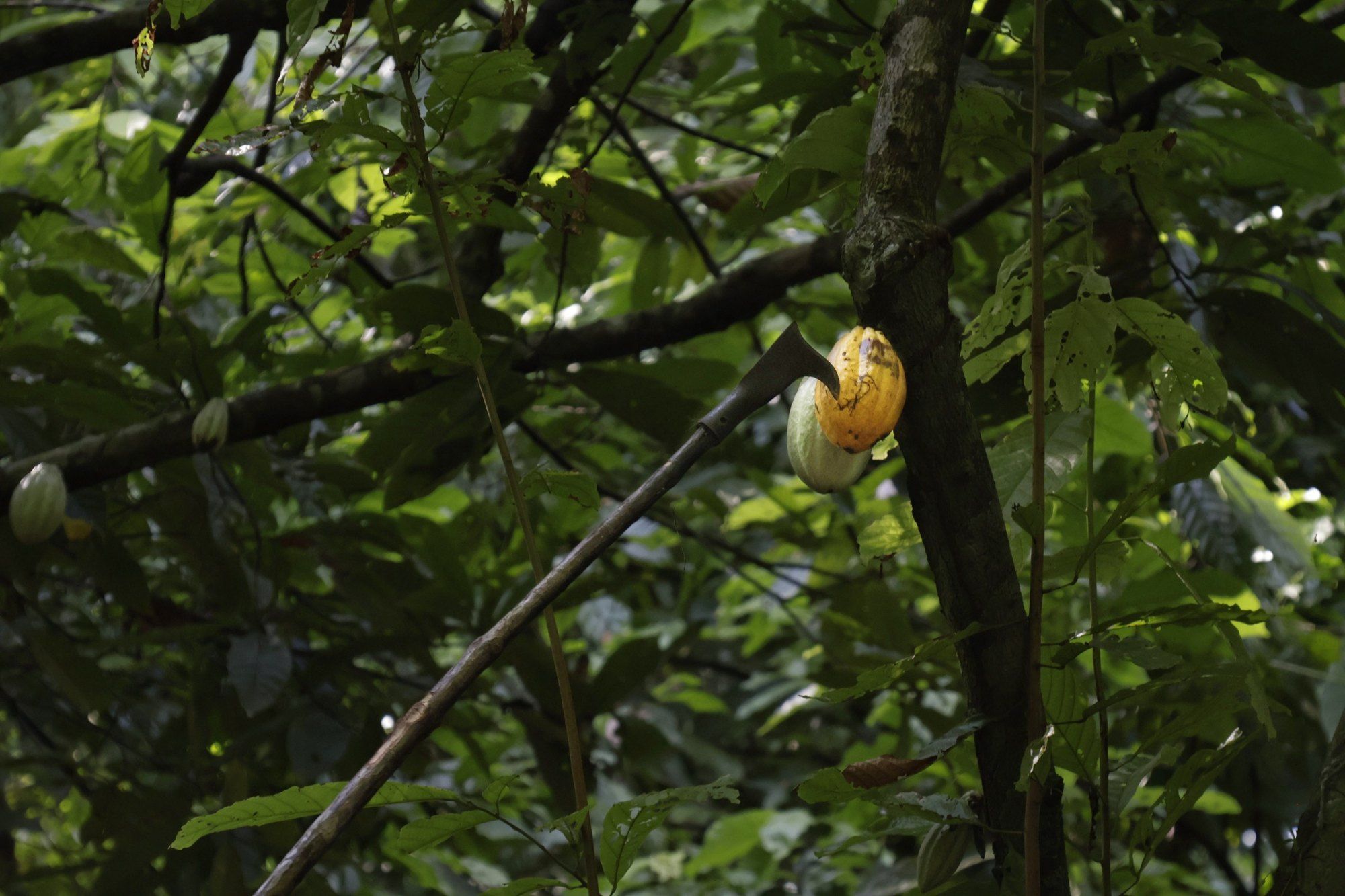
Pods ripen five to seven months after the flower, directly on the trunk and old branches. They are cut with a hooked pole or a machete, never pulled, so the flower cushion survives for next year. In Bocas the big harvest runs October to January.
A tree takes 3 to 5 years to give its first pods.
- 02
Open and taste
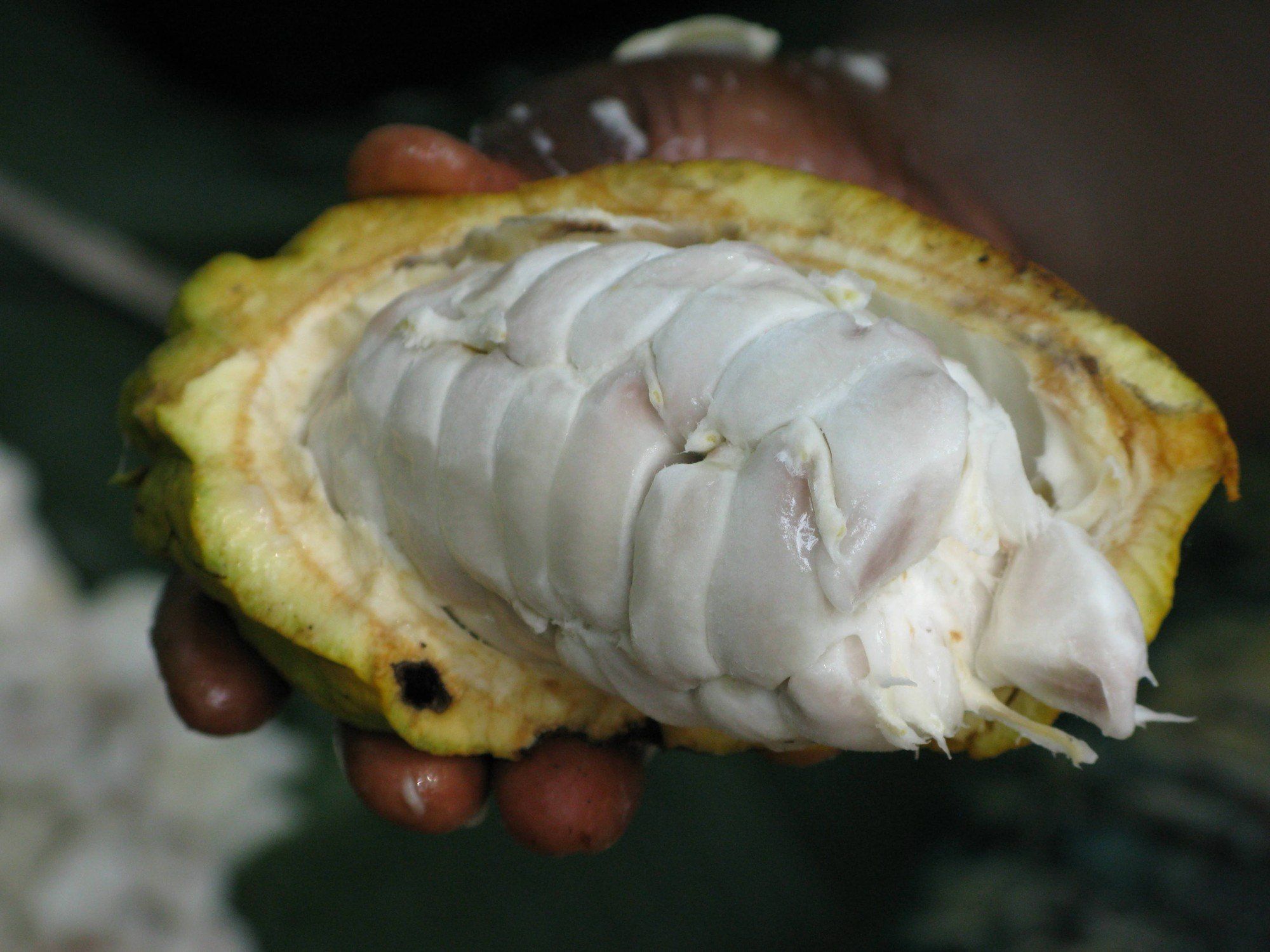
Crack the pod and you find 30 to 50 seeds in white pulp that tastes like lychee and lime. This is the moment every tour stops for. The pulp is the fuel for what comes next.
Fresh pulp is also fermented into juice, vinegar and a local liquor.
- 03
Ferment
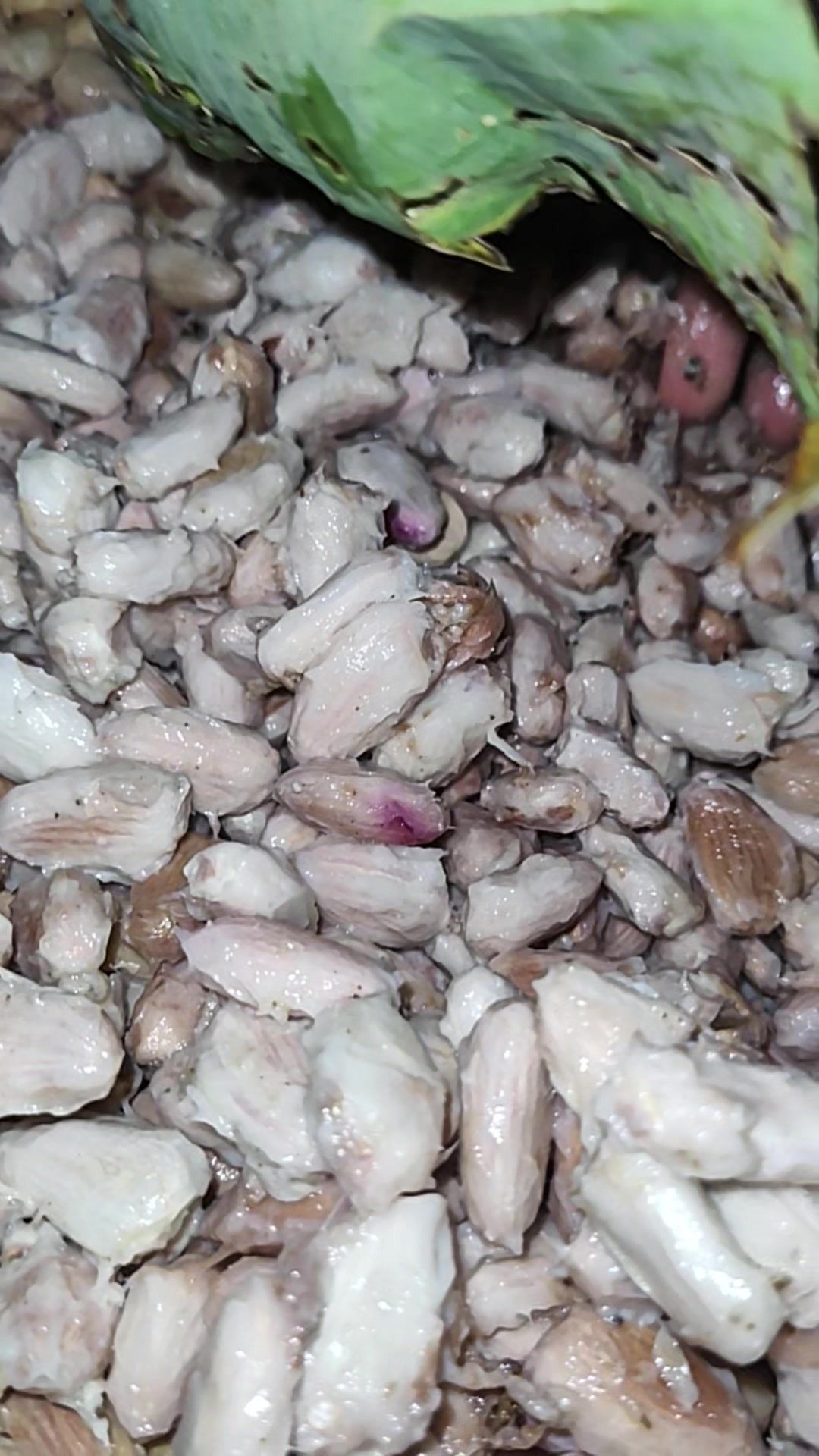
Beans and pulp go into wooden boxes or banana-leaf heaps for about six days. Yeasts, then bacteria, eat the sugar, heat the mass past 45 °C and kill the seed. This is where flavour is made: the same genetics fermented differently give a different bar.
Growers say fermentation matters even more than variety.
- 04
Dry
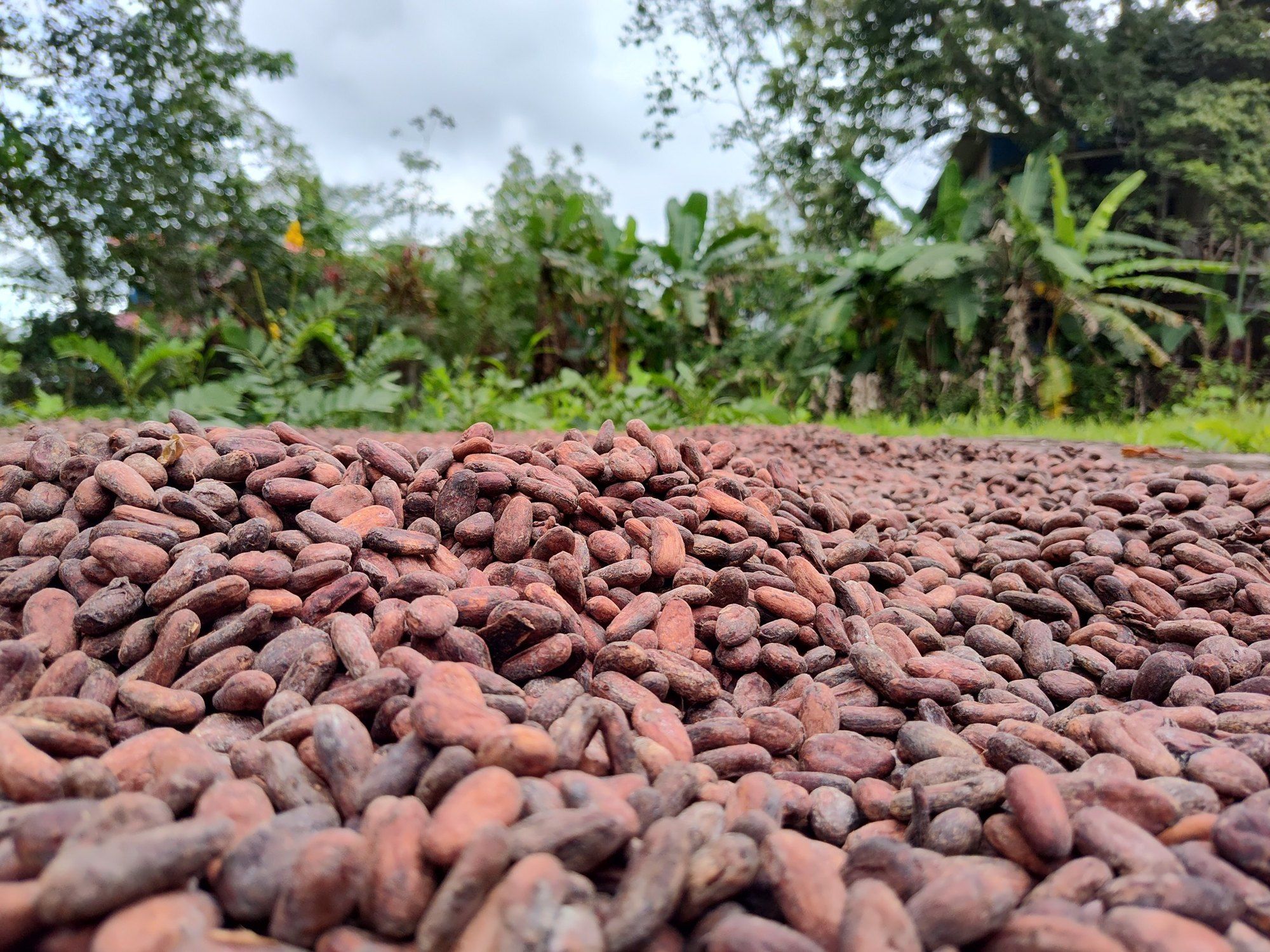
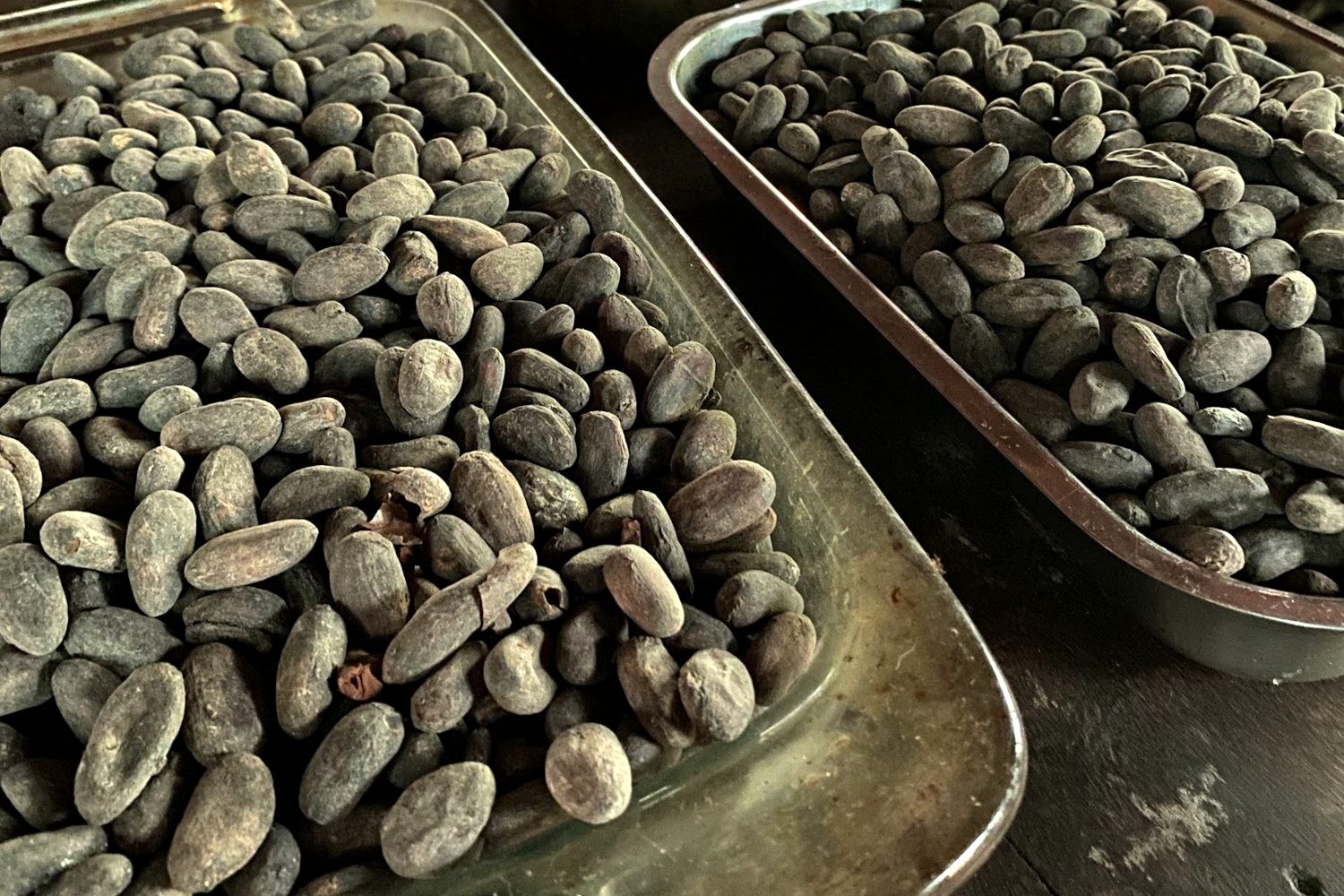
Beans need to drop from about 60% moisture to 7%. On the Pacific that is a week in the sun. In Bocas, with three months of near-daily rain, it can take over a month and risks mould, so farms are building solar tunnels and hybrid dryers.
Drying is the step Bocas farmers call the real challenge.
- 05
Roast and winnow
A gentle roast, 110 to 140 °C, develops chocolate aromas and loosens the shell. Then the beans are cracked and the shell blown away. What is left are nibs.
The shells make a tea that tastes like cocoa without the bitterness.
- 06
Grind
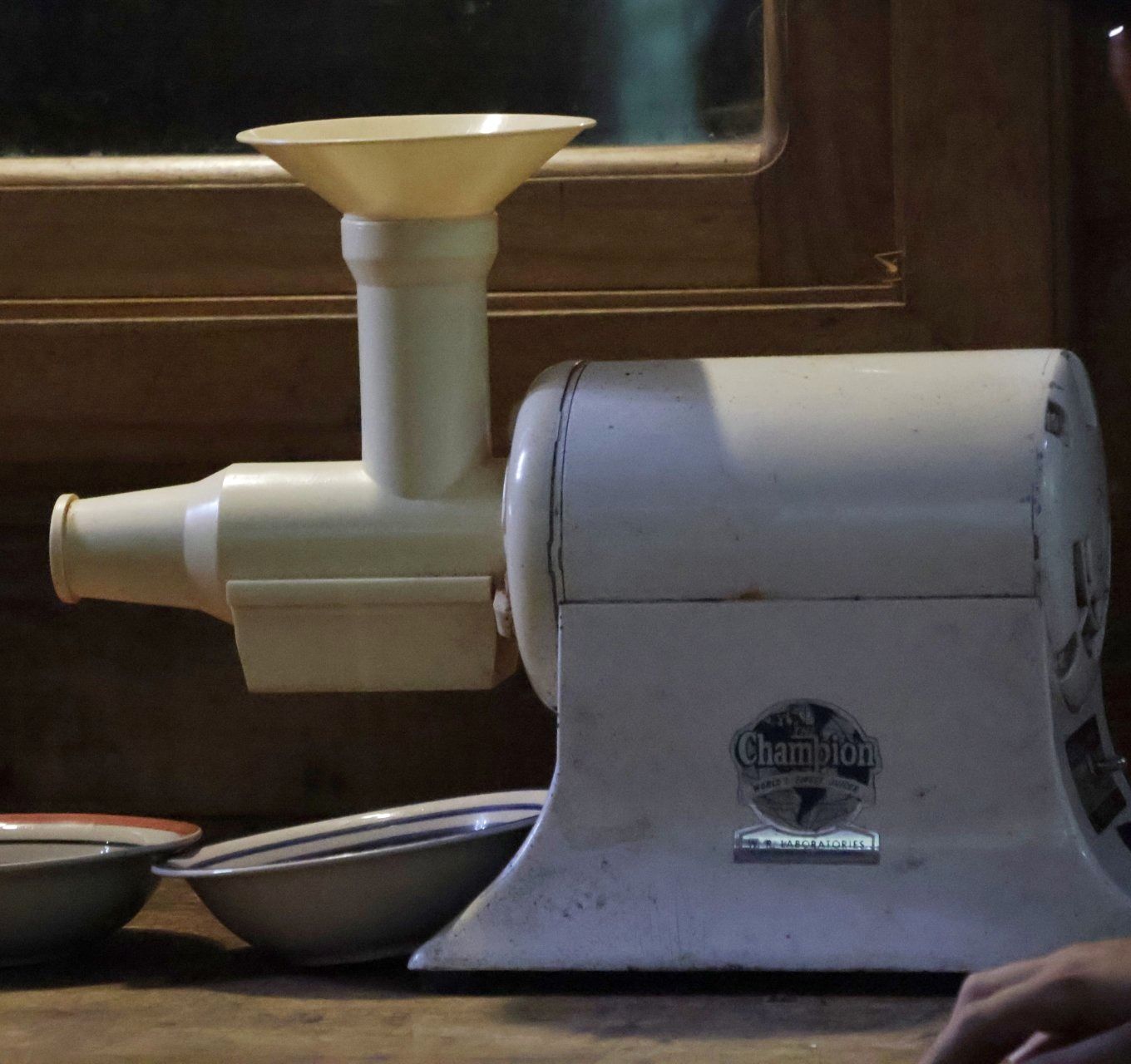
Nibs are more than half cocoa butter, so grinding turns them into a liquid: cacao liquor. On a farm tour it is a hand mill and a warm stone; in a factory a melanger runs for a day or two until the particles are too small to feel on the tongue.
Add sugar and you have chocolate. Add nothing and you have 100%.
- 07
Temper and mould
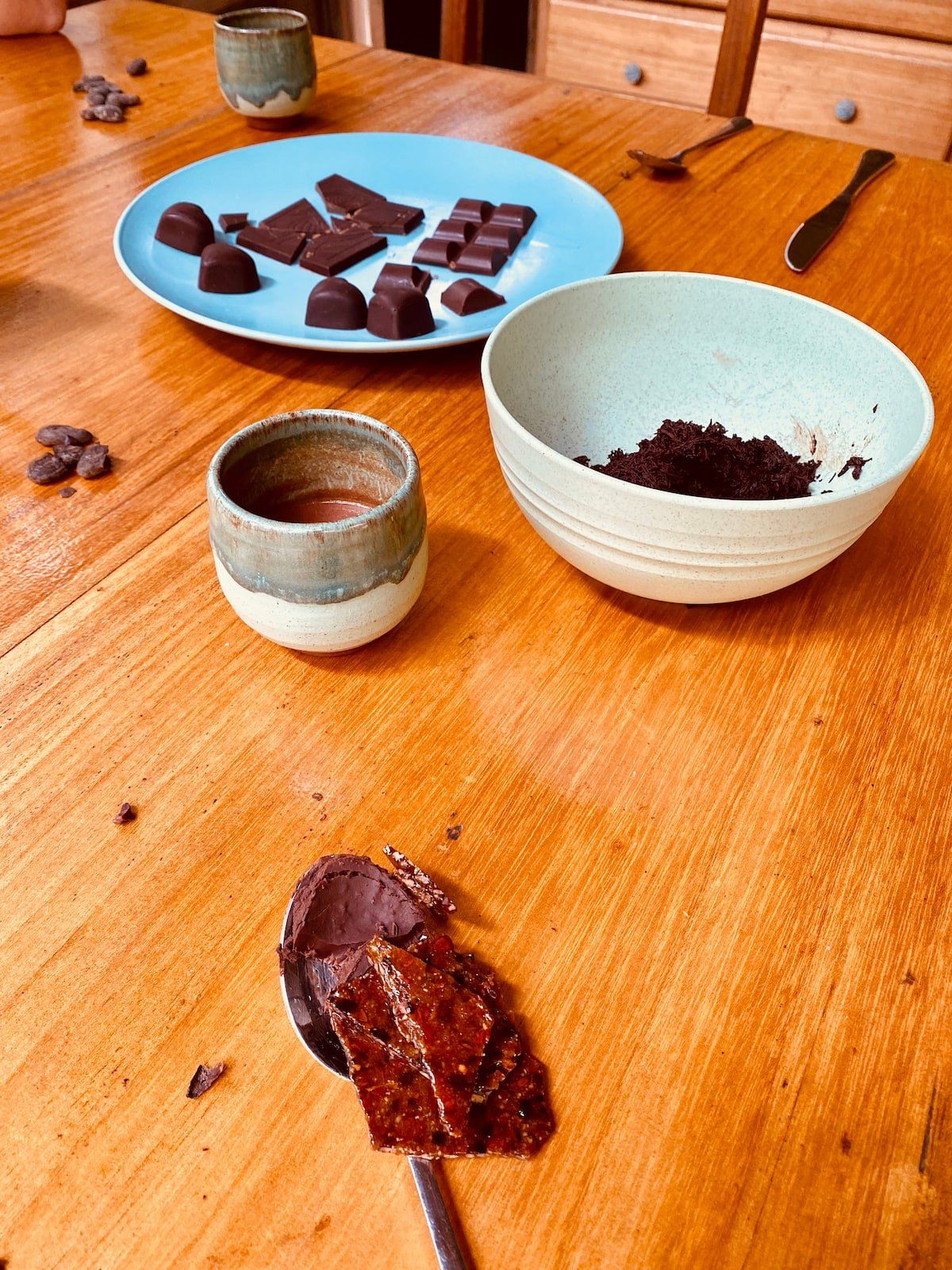
Cocoa butter can crystallise six ways. Only one of them snaps and shines. Tempering is heating, cooling and reheating to exactly the right degree so that crystal wins. Then the moulds, the tap, the fridge, and the bar.
Bocas humidity makes tempering a battle; air conditioning is a tool.
Newsletter
The Pod
One letter a month from a cacao farm in Bocas del Toro: harvest news, new makers, tours worth booking, and what we are learning about Panama’s cacao. No spam, unsubscribe any time.