Cooperative · organic beansCOCABO
Almirante, Bocas del Toro
Founded 1952, the oldest cooperative in Panama. About 1,400 mostly Ngäbe and Naso members and 4,400 organic hectares. Its beans go to Equal Exchange, DOP Chocolate and European bean-to-bar makers.
Tree-to-bar · women-led farmMayamei Cacao
Ojo de Agua, Almirante, Bocas del Toro
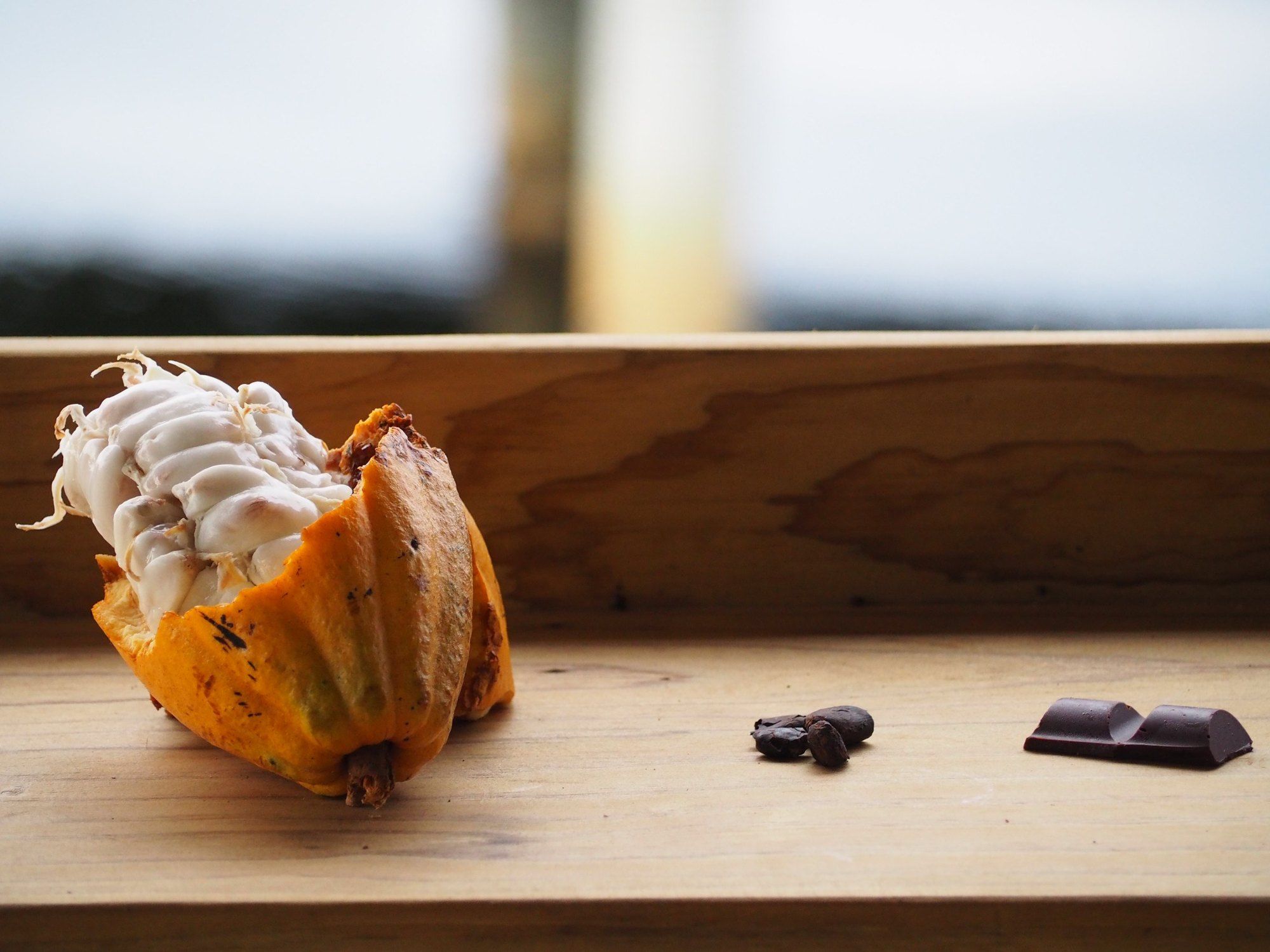
Founded by Meivis Ortiz, who grew up on a Bocas farm, to pay cacao families for quality. Its cacao took bronze at the 2021 Cocoa of Excellence Awards, among the 50 best in the world. Bars from 55% to 90%, nibs, drinking chocolate, fresh pods, and a farm-to-bar tour where you make your own bars.
Tree-to-truffle farm · tours · staysFinca Montezuma
Dolphin Bay, Bocas del Toro
A jungle cacao farm in Dolphin Bay with 60-plus-year-old shade-grown trees, making 100% cacao mass, truffles with fresh coconut milk and cane sugar, nib brittle and drinking chocolate. Cacao Tasting Tour ($20, about 2 h) and a hands-on Chocolate Workshop ($40, about 3 h) in English, Spanish, Dutch and French, plus overwater cabins and treehouses. Panacacao is written from here.
Craft chocolatory · bonbonsWild Cane Chocolate
Bocas Town, Isla Colón
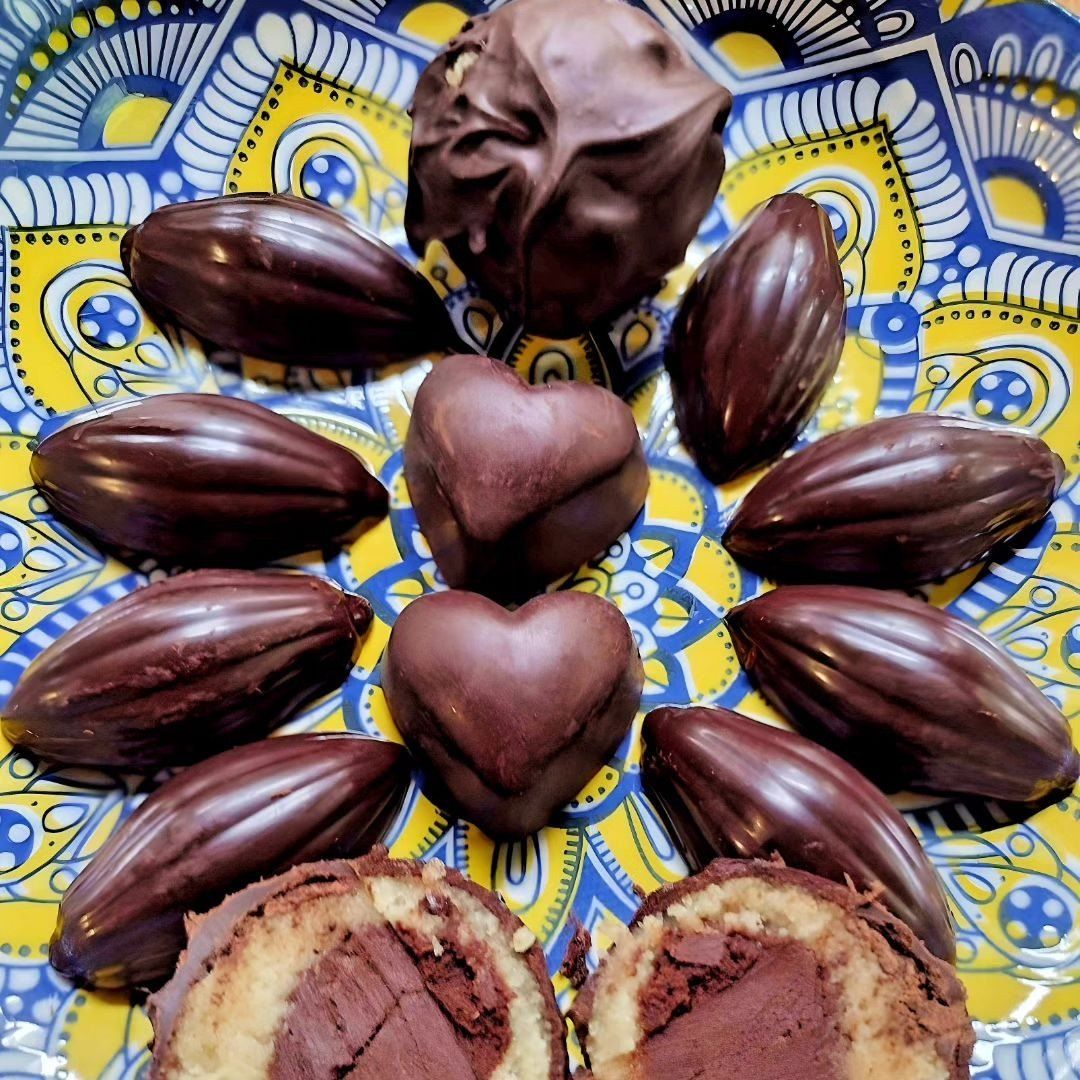
Victoria Canonico’s tiny-batch chocolatory on Isla Colón, working with indigenous farmers who are raising bean quality. Bars, tropical-fruit bonbons (pineapple, mango, banana, coconut), a cacao liqueur and a signature hand-dipped cocada. Ordered by WhatsApp, served at Amaranto, Sol Bungalows and Nayara Spa, with a hands-on “A Chocolate Affair” tree-to-bar experience.
Micro-batch · stone-groundNative Chocolate
Isla Colón, Bocas del Toro
A micro-producer making stone-ground dark bars from organic Bocas cacao, including a hot-pepper bar. Recognised at the 2025 Showcolate Fair and sold from a small stand and shops in Bocas Town where you can taste before buying.
Ngäbe women chocolatiersÑöba Bälen / Mery Nöba
Silico Creek, Ngäbe-Buglé comarca
A group of Ngäbe women who, after training with Mission Chocolate through a USAID farmer-to-farmer programme, make and sell their own chocolate and candies (coconut, plantain, cinnamon, vanilla) at festivals and in Bocas, because selling beans alone does not pay. Mery Nöba means “women chocolatiers” in Ngäbere.
Plantation · investor-ownedAgroNosotros
Chiriquí Grande, Bocas del Toro
The coffee-investment company from Boquete bought a 61.5-hectare cacao property near sea level in Chiriquí Grande in 2021 and runs a 75,000-seedling nursery in Rambala. Fully planted; post-harvest facilities planned as the trees come into production.
Bean-to-bar · dark chocolateOro Moreno
Panama City
Founded in 2013 by Yoshiris Peña and usually named as Panama’s first bean-to-bar maker. Bars from a 60% dark to a 90% single origin, plus ginger, cashew and sea salt, and a 41% with coffee. Sold through Cacao Bar Selection in Obarrio and Casco Viejo shops.
Bean-to-barBocao
Panama City
Launched in 2018 by young Panamanian entrepreneurs, with Jaime Pérez as the maker. Organic Trinitario cacao from indigenous communities in Bocas del Toro, roasted and tempered in its own Panama City workshop. 75% dark, milk and caramel, and a Galleta María milk bar.
Flavoured bars · souvenirI Love Panama Chocolate
Panama City (Sagrado Cacao)
Each bar riffs on a piece of Panamanian identity: a Barú Geisha coffee milk bar, a Congo-culture bar, a Diablo bar with ají chombo, passion fruit, coconut, rum, lime and panela. The adventurous souvenir brand, easy to find at the airport.
Bean-to-bar · bonbonsNomé Chocolate
Casco Viejo, Panama City
Started in 2019 by a chocolatier trained at Panama’s first bean-to-bar company, buying directly from small producers. Bars from a 43% milk to an 83% dark, a Geisha-coffee milk bar and a white chocolate with Pompona vanilla from Gariché, Chiriquí. Factory visits and bar-making classes in Casco Viejo.
Cacao processing · bean-to-barDOP Chocolate
Panama City (banking district)
Founded in 2018 by restaurateurs David Henesy and Carolina Rodríguez. Roasts in small batches, presses its own cocoa butter, makes powder, mass to spec, and bonbons. Beans from about 300 organic hectares near Almirante (Quebrada Limón, Quebrada Pitti, Río Uyamá) managed with ForestFinance and 12Tree, plus COCABO. A visitor centre is planned.
Bean-to-bar workshop · caféToño’s Factory
Corozal, Panama City
Opened October 2026: a coffee processing plant, a bean-to-bar chocolate workshop with fine Bocas cacao and a coffee shop under one roof, from a farm on the slopes of Volcán Barú. Bean-to-bar and farm-to-cup tours.
Tree-to-bar · heritage geneticsQuetzal Cacao
Finca Las Heliconias, Chiriquí
Chocolate from a living collection of local cacao gathered over fifty years from Alanje, Divalá and elsewhere, planted at Finca Las Heliconias by Lyn Bishop and now maturing.
Chocolate shop · workshopsChox Artisan Chocolate
Boquete, Chiriquí
A family-run shop making chocolates on the premises from organic cacao grown by Bocas smallholders. Not a factory tour, but they will show the process and run hands-on workshops on advance request. Confirm the current address; it has moved toward David.
Factory · toursMahogany Chocolate
Bajo Boquete, Chiriquí
A Belize-founded maker whose second factory shares a building with The Perfect Pair café on Boquete’s main avenue, partnered with AgroNosotros. Factory tour and bar-making class, about $39 per adult, by reservation.
Family maker · Criollo countryCacao Las Minas
Las Minas, Herrera
Arelys Ramos started making chocolate in 2017 and founded the company in 2019, buying pods from more than 40 small growers in the district. 100%, 70% and 50% bars, bonbons, nibs, husk tea, a cacao cream liqueur and seedlings. Workshops for visitors; ships nationwide.