Learntraveltours
The best chocolate tours in Bocas del Toro, and how to choose one
Eight farms and makers, four ways to get there, one rule: go when it is harvest. A farmer's honest guide to cacao tours in the archipelago.
We run one of these tours, so read this knowing that. We have also taken all the others, because our guests ask us which to do, and because the farms in Bocas are more friends than competitors. Here is what actually differs between them.
What every tour has in common
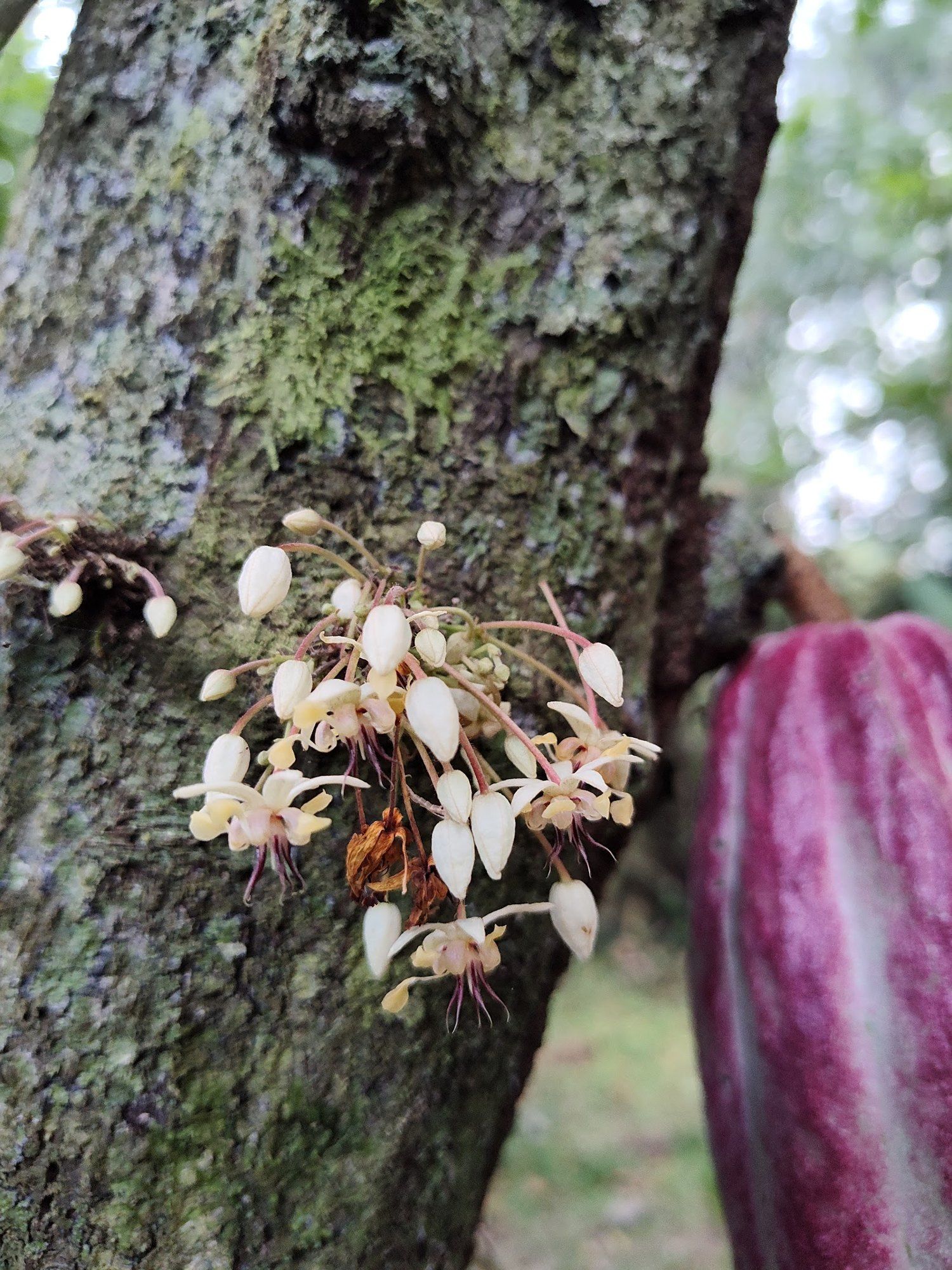
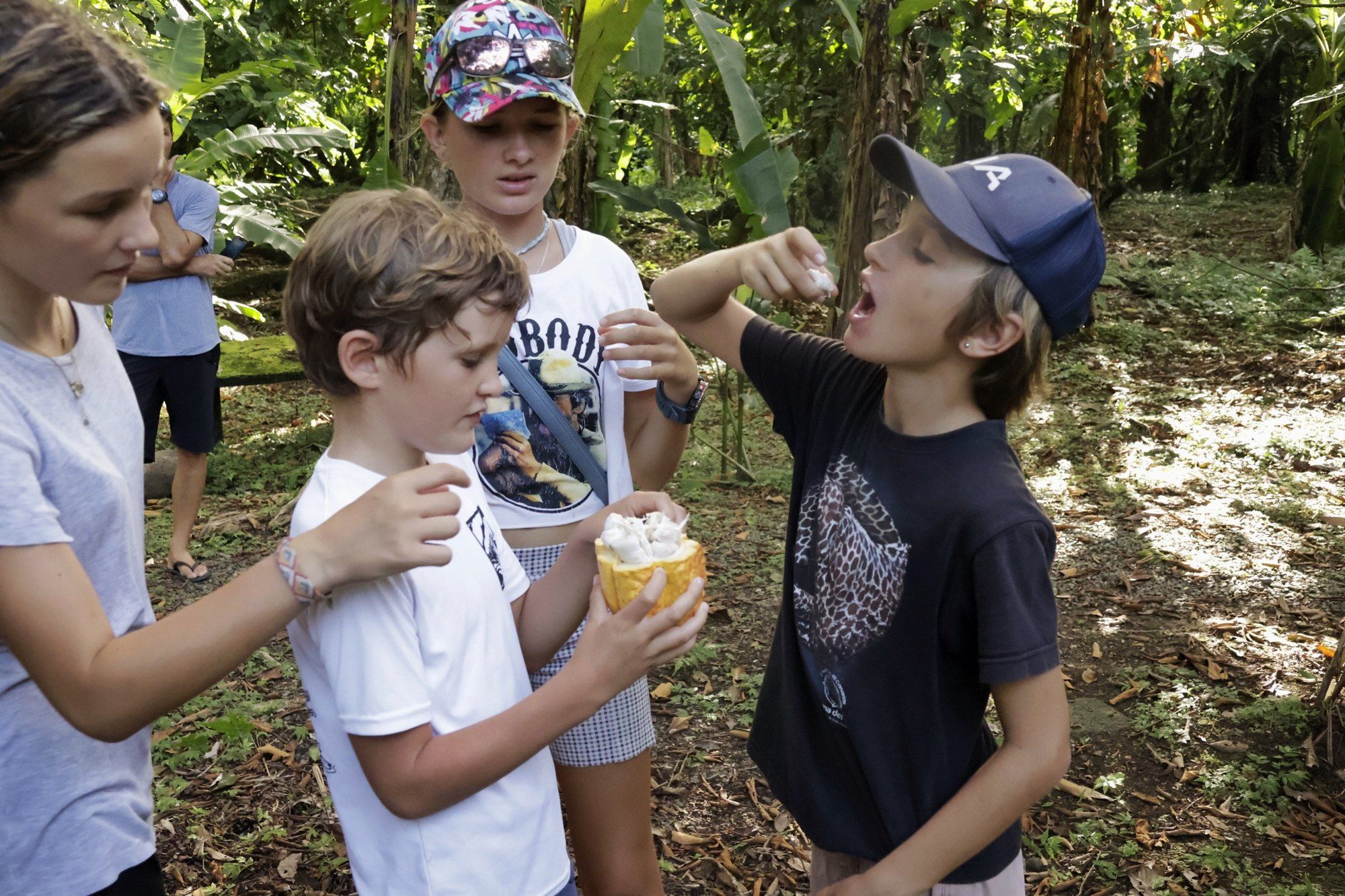
Every cacao tour in Bocas del Toro follows the same spine, because the plant dictates it: walk the plot, find a ripe pod, cut it, taste the white pulp, see the fermentation boxes and the drying beds, roast and crack some beans, grind them warm on a stone or in a hand mill, and taste the result with sugar or with chili and honey. Expect two to three hours, mud, and chocolate. The differences are in who leads it, how you get there and what else is on the land.
The tours
Mayamei Cacao, Ojo de Agua near Almirante. The award-winning one. Meivis Ortiz’s women-led farm took bronze at the 2021 Cocoa of Excellence Awards, and the three-hour farm-to-bar tour (from about $30) ends with you moulding two bars of your own. Choose it if you want to taste what the top of Bocas cacao can be and talk fermentation with someone who has graded it professionally.
Oreba Chocolate Tour, Ngäbe community near Almirante. The best-known and the most culturally interesting. Run by a Ngäbe family in their own community, reached by a short boat ride from the Torres dock in Almirante. Departures around 9:30 and 12:00, about two and a half hours, usually with lunch. Choose it if you want the indigenous context that produced almost all of Panama’s cacao.
Up in the Hill, Bastimentos. A family-run organic farm and café (since 2003) at the top of the highest hill on Isla Bastimentos, reached on foot from Old Bank or from Wizard Beach. Weekday tours around 11:00 with lunch, about $25. Chocolate, coconut oil, botanicals, a view. Choose it if you are already on Bastimentos and want to combine a hike and a beach.
Green Acres Chocolate Farm, Dolphin Bay. A 30-acre plantation and botanical garden at Cerro Brujo with frogs, sloths and howler monkeys along the trail, reached by boat from Bocas Town and often combined with a dolphin-watching stop. Tours daily at 10:00 and 14:00 by reservation. Choose it for families and for a gentler, more botanical walk.
Finca Montezuma, Dolphin Bay. Ours, 20 to 25 minutes by water taxi from town. A jungle farm with 60-year-old cacao trees where the tour is led by the people who ferment and dry the beans, so the questions can go as deep as you like. The Cacao Tasting Tour ($20, about two hours) tastes the bean at every stage; the Chocolate Workshop ($40, about three hours) has you roasting, grinding, brewing your own hot chocolate and rolling coconut-milk truffles to take home. In English, Spanish, Dutch or French, with overwater cabins and treehouses if you stay. Choose it if you want the process more than the postcard.
La Loma Jungle Lodge, Bastimentos. A 55-acre rainforest reserve whose cacao is tended with the Bahía Honda Ngäbe-Buglé community, who also lead the morning tour. Included for guests; day visitors can join with a farm lunch, booking a day ahead. Choose it if you are staying there or want the quietest, most forested version.
Wild Cane Chocolate, Bocas Town. Victoria Canonico’s tiny-batch chocolatory on Isla Colón runs “A Chocolate Affair”, a hands-on tree-to-bar session in town, no boat required, and sells bars, tropical-fruit bonbons, liqueur and a hand-dipped cocada by WhatsApp. Choose it for a rainy afternoon or a last evening.
Native Chocolate, Bocas Town. Not a farm, but worth a line: a stand on Isla Colón where a micro-producer sells stone-ground bars, including a hot-pepper one, and lets you taste every flavour. The easiest cacao stop if you have an hour between boats.
When to go
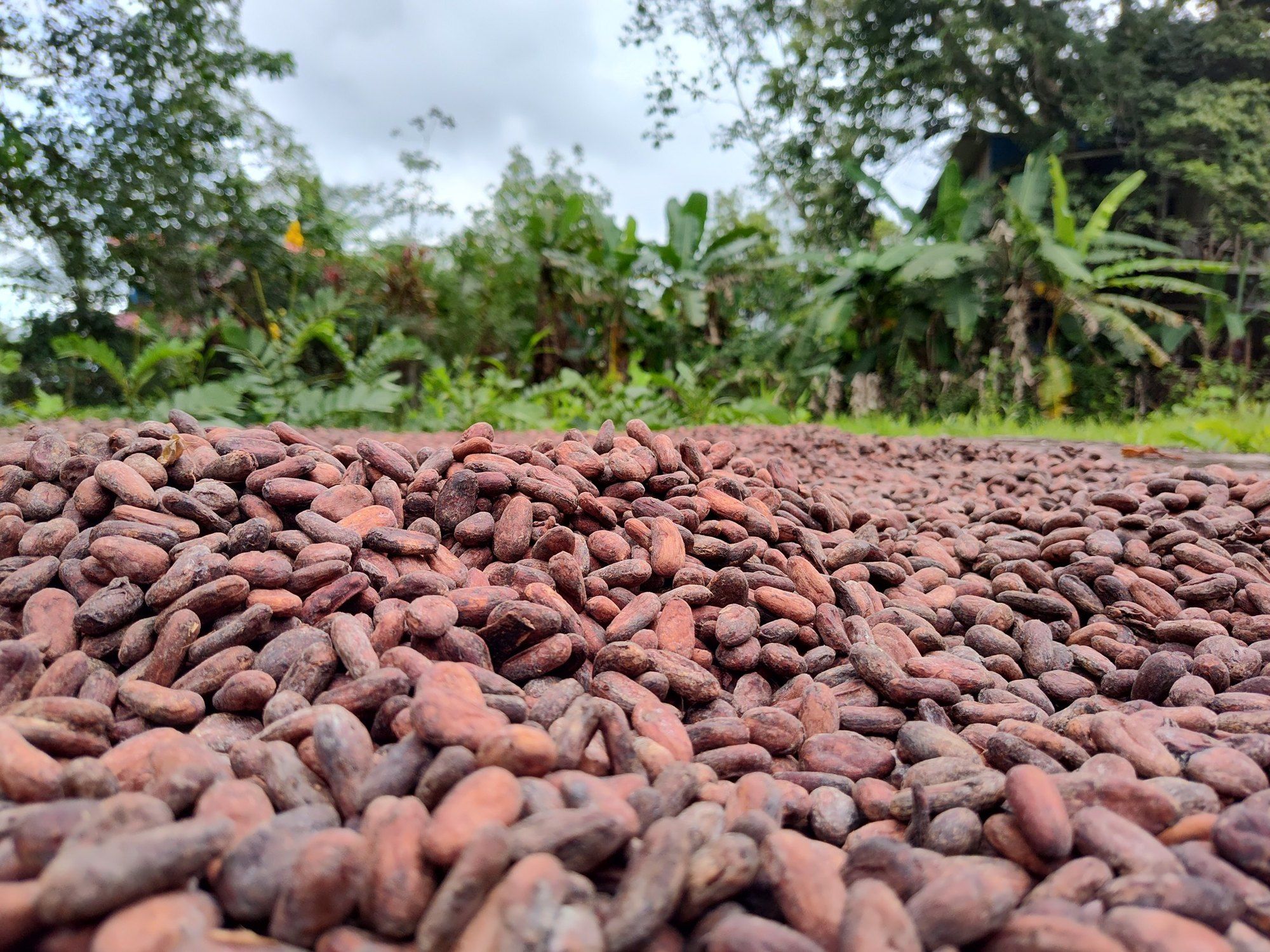
Harvest peaks from October to January, with a smaller flush around May to July. In harvest you will see pods of every colour, fermentation in progress and beans drying. Between harvests you will still find pods, because cacao fruits year-round, but the boxes may be empty.
Rain is a given in every month. Bring a jacket, closed shoes you do not love, picaridin repellent against the chitras, and a dry bag for the boat.
How to book
Most farms take bookings by WhatsApp or through hostels in Bocas Town. Prices in 2026 ran from about $30 to $70 per person depending on whether the boat, lunch and a second activity are included. Check directly; listings on booking sites are often out of date.
One request
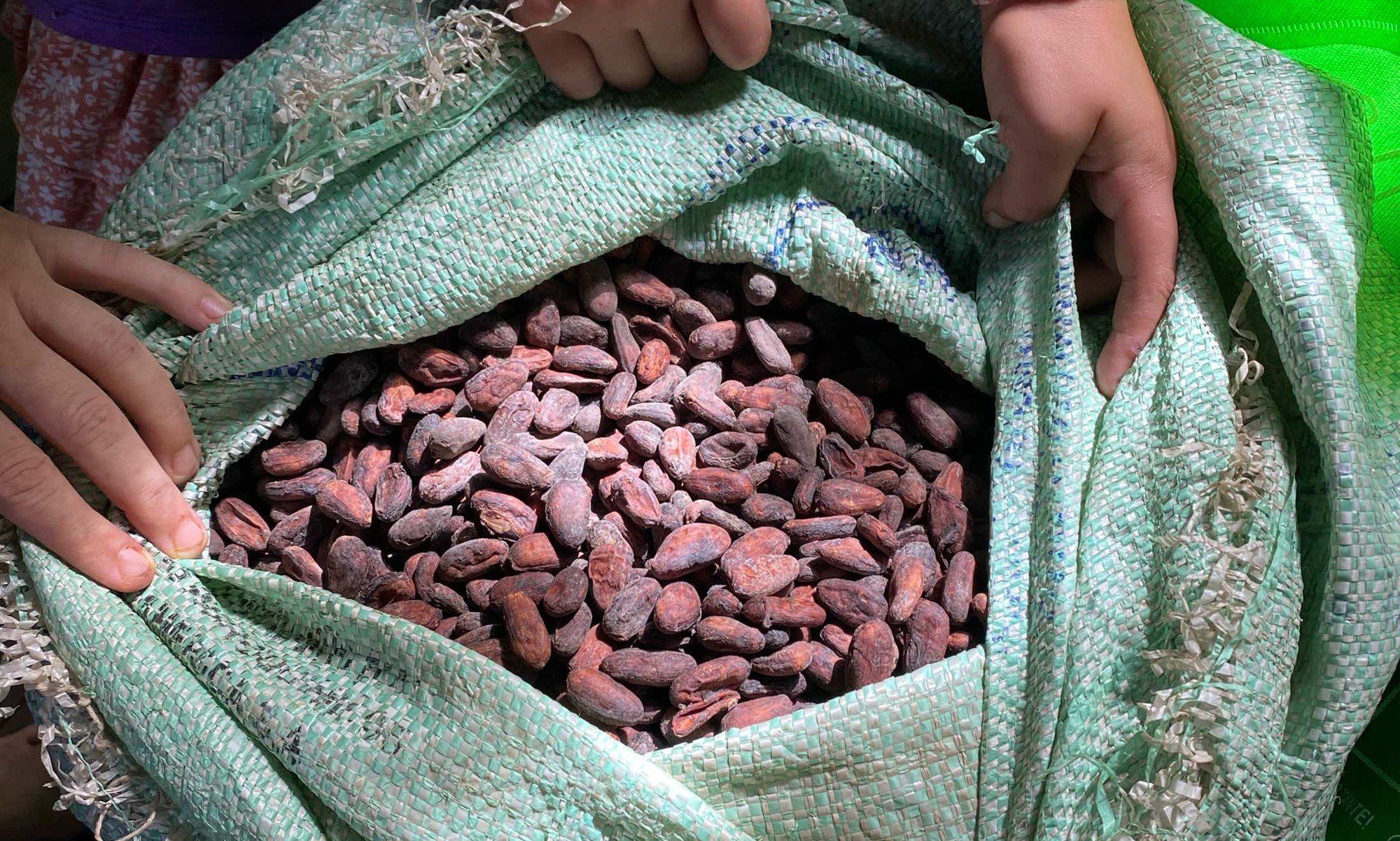
Buy the chocolate at the farm. A $10 bar bought on the farm pays the family more than a sack of beans sold to an intermediary, and it is the single most direct way a visitor can support quality cacao in Panama.
Newsletter
The Pod
One letter a month from a cacao farm in Bocas del Toro: harvest news, new makers, tours worth booking, and what we are learning about Panama’s cacao. No spam, unsubscribe any time.