Learneconomyopinion
Less than one percent: why Panama should sell chocolate, not beans
Panama grows a rounding error of the world's cacao. That is exactly why exporting raw beans makes no sense, and why the real opportunity is in bars, paste and tourism.
In July 2026 a headline went around the Panamanian cacao groups: Nigeria, Africa’s fourth-largest producer, was “banning raw cocoa exports to the West”. The reality was more nuanced, as the Nigerian agriculture ministry clarified the next day: no ban, but a stated plan to shift gradually from exporting beans to exporting butter, powder and chocolate. Ghana, Côte d’Ivoire and Cameroon are moving the same way.
The reaction in Panama was telling. “And us, when?” wrote one grower. “We produce less than one percent of the world’s cacao.”
The numbers
Panama produced about 562 tonnes of cacao in the 2022–23 season from roughly 5,800 hectares, and exported about 70 percent of it as beans. The world produces around five million tonnes. Panama’s share is not one percent; it is about one hundredth of one percent.
At commodity prices, even the record prices of 2024 and 2025, that is a small business spread across 2,170 registered producers, most of them, by MIDA’s own account, living below the poverty line. Cacao contributed about $50 million to Panama’s agricultural output in 2023. Good, but not a sector that will ever matter by volume.
What volume cannot buy, value can
The African argument is about jobs and processing capacity. Panama’s argument is simpler: a country this small cannot compete on tonnes, so it should not try. Where it can compete:
- Flavour. The 2026 genetics study found fine-flavour ancestry mixed through Bocas and near-pure Criollo in Herrera. Microlots from Bocas already score above 80 with European makers. Fine cacao sells for two to four times commodity.
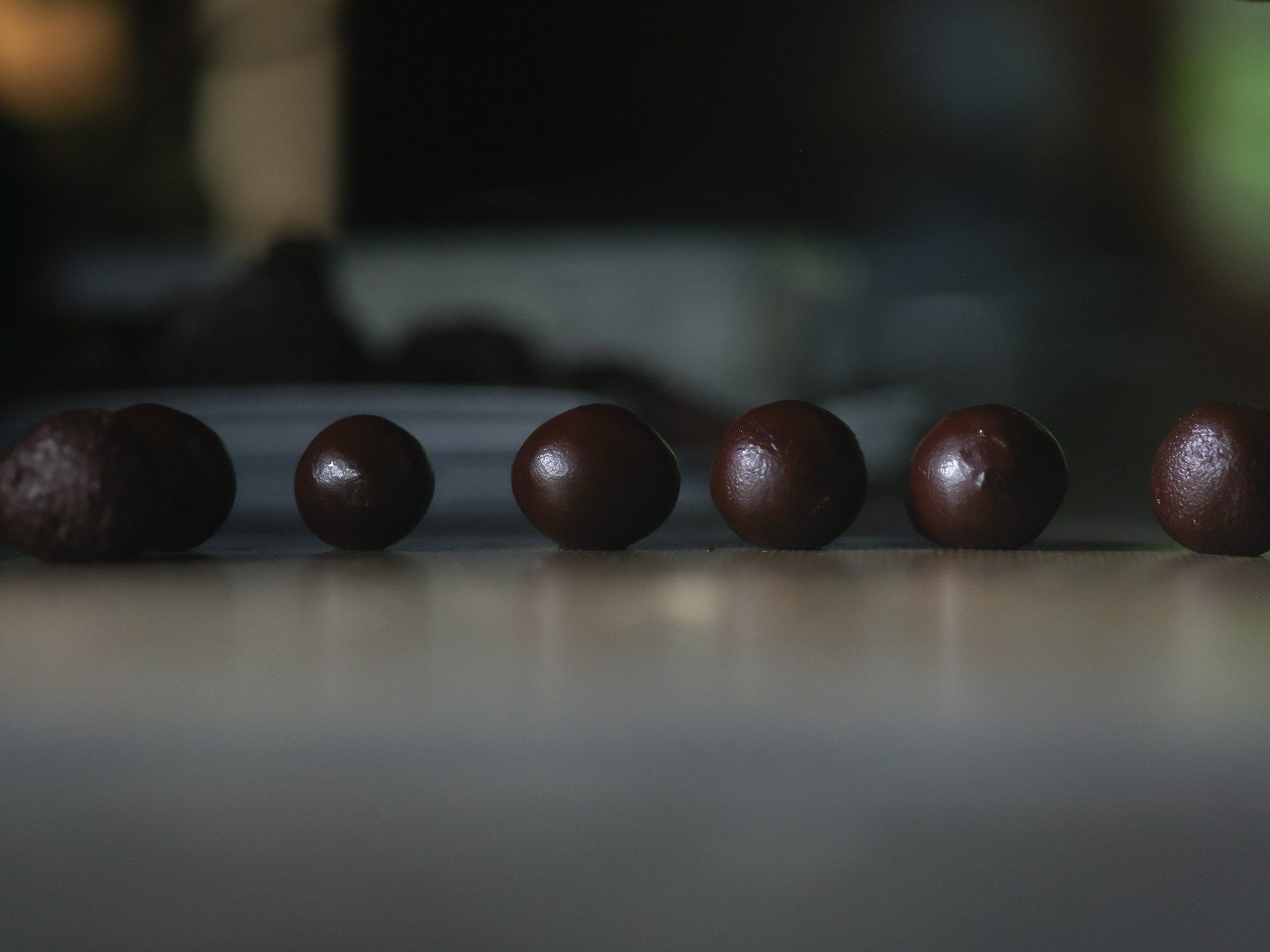
- Finished chocolate. Oro Moreno, Bocao, Sagrado Cacao, Quetzal Cacao, Toño’s Factory and a dozen farm brands already exist. Every bar made in Panama captures the margin that a sack of beans gives away.
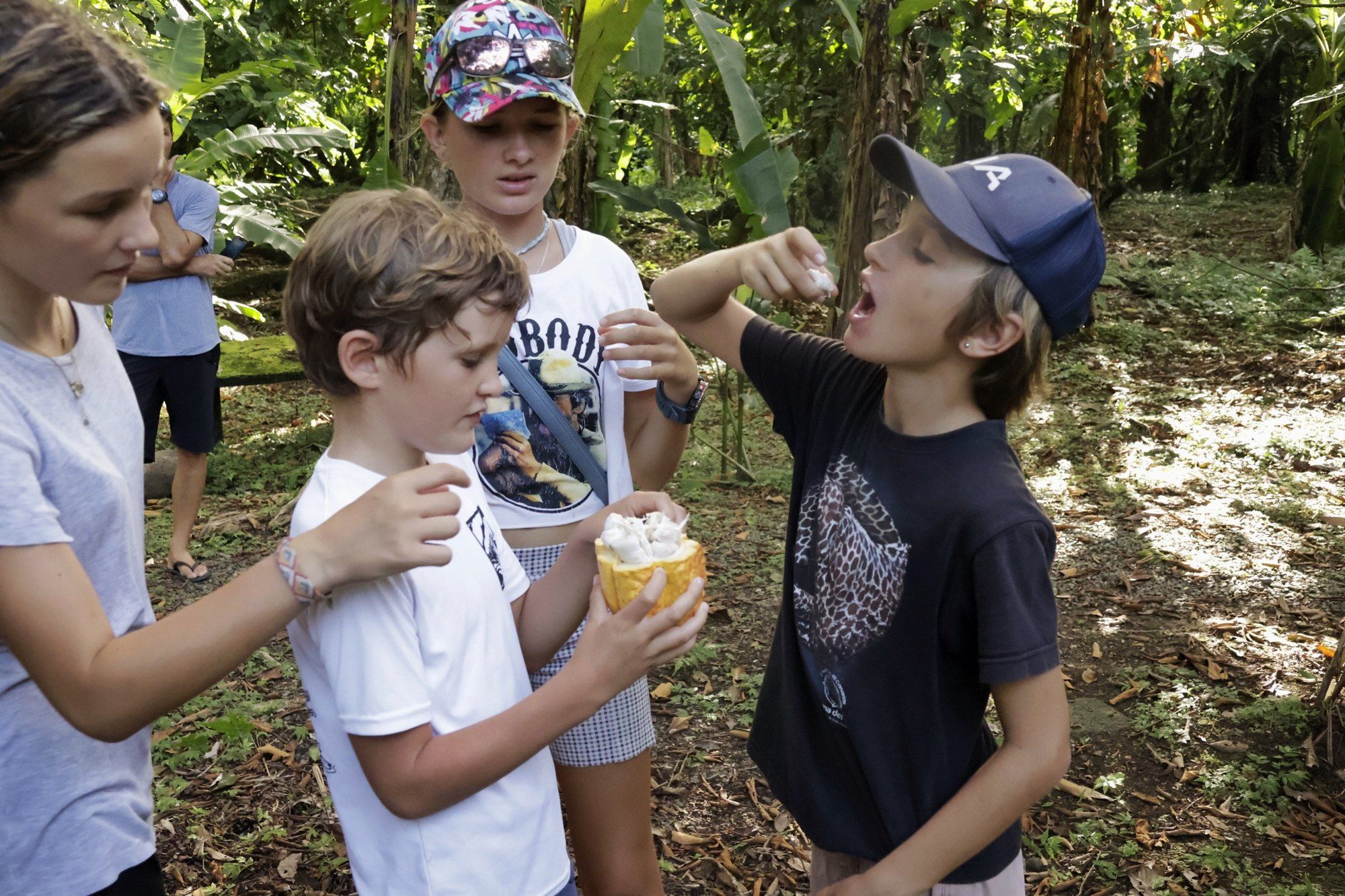
- Tourism. A farm tour in Bocas earns a family more per kilo of cacao than any exporter will ever pay. Panama had the coffee-tourism playbook written for it in Boquete.
- Traceability. The European Union’s deforestation regulation requires plot-level origin data from 2026. For bulk origins it is a burden. For a country with 2,000 growers, a cooperative registry and shade-grown agroforestry, it is a marketing asset.
What would have to change
The grower group’s own list, collected over months of conversation:
- Fermentation and drying standards per lot, so quality is repeatable, not accidental.
- A local tasting culture: the first certified graduates arrived in August 2026; it needs dozens more.
- Grafting and selection of the best trees, instead of planting mixed seed.
- Processing in Bocas, not only in the capital, so value stays near the farm.
- A national plan that protects what grows here rather than importing clones. MIDA’s 2025–2029 cacao plan is the test.
Panama learned this once already, with coffee. Twenty years ago it was a tiny, unremarkable origin. Then a handful of farms in Boquete decided to compete on flavour instead of volume, and today a pound of Panamanian Geisha sells for more than a sack of commodity cacao. The cacao growers know the story. They live two hours from it.
Sources: La Estrella de Panamá, El legado del cacao · Revista SUMMA, Industria del cacao y el chocolate de Panamá · MIDA, Panamá busca posicionarse en el mercado mundial del cacao · Business Insider Africa on Nigeria’s cocoa policy
Newsletter
The Pod
One letter a month from a cacao farm in Bocas del Toro: harvest news, new makers, tours worth booking, and what we are learning about Panama’s cacao. No spam, unsubscribe any time.