Learnhistorycooperatives
COCABO: how a 1952 cooperative in Almirante became the backbone of Panamanian cacao
Bananas built Bocas, cacao survived it. The story of the oldest cooperative in Panama, its 1,400 mostly Ngäbe members, and where its organic beans end up.
Drive into Almirante, the mainland port of Bocas del Toro, and the first thing you see is the banana company’s railway. The second, if you know where to look, is COCABO: Cooperativa de Servicios Múltiples de Cacao Bocatoreña, founded in 1952, the oldest cooperative in Panama and the reason there is still a cacao economy here at all.
Bananas first
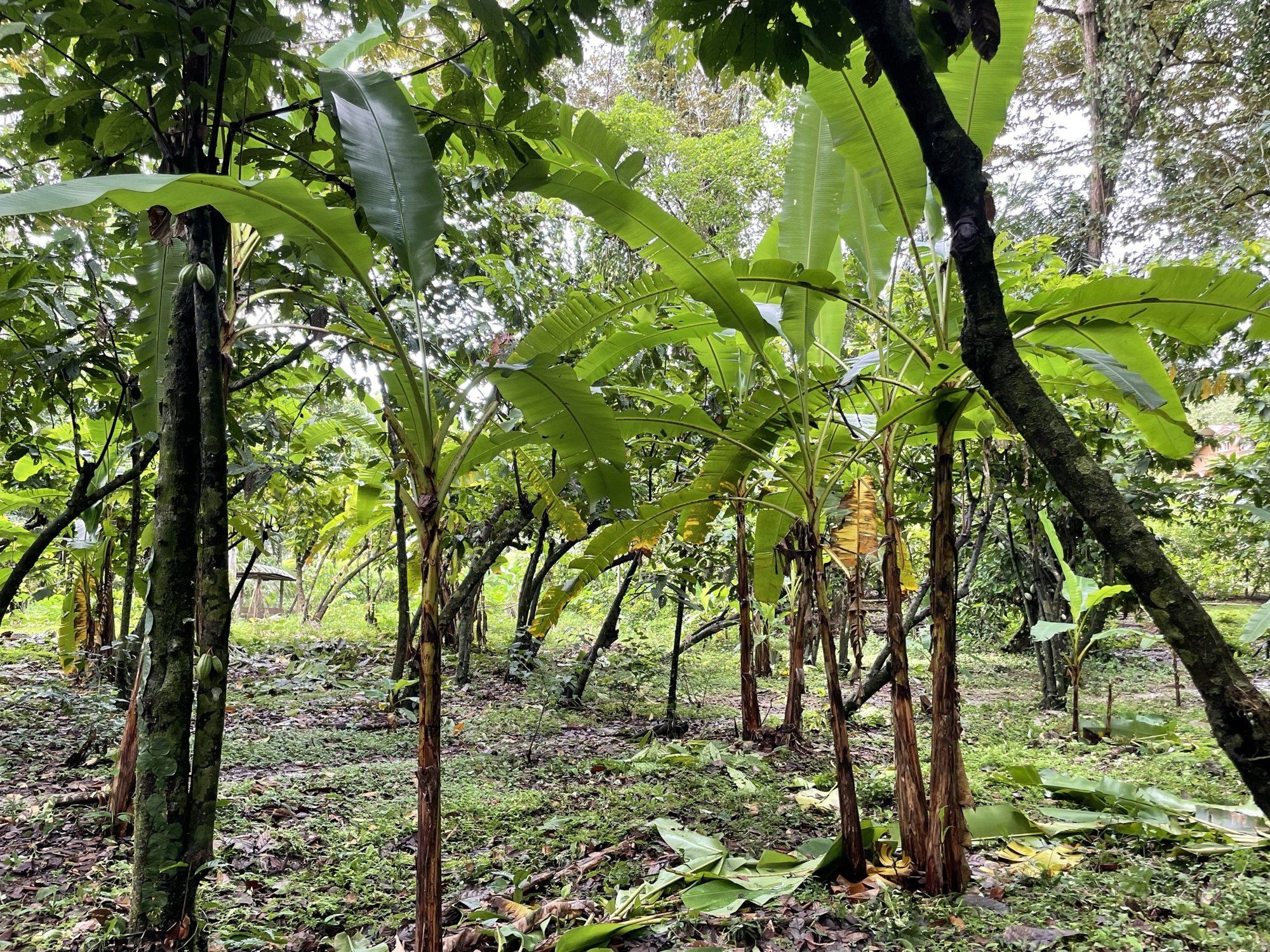
Cacao in Bocas took off in the 1920s, planted by the United Fruit Company and by the Afro-Caribbean and indigenous workers around its plantations as Panama disease wiped out banana fields. By the Second World War export markets collapsed and the plots went half-wild under the forest. What survived was small, family, shaded and indigenous: exactly the kind of cacao that the specialty market would want sixty years later.
The cooperative
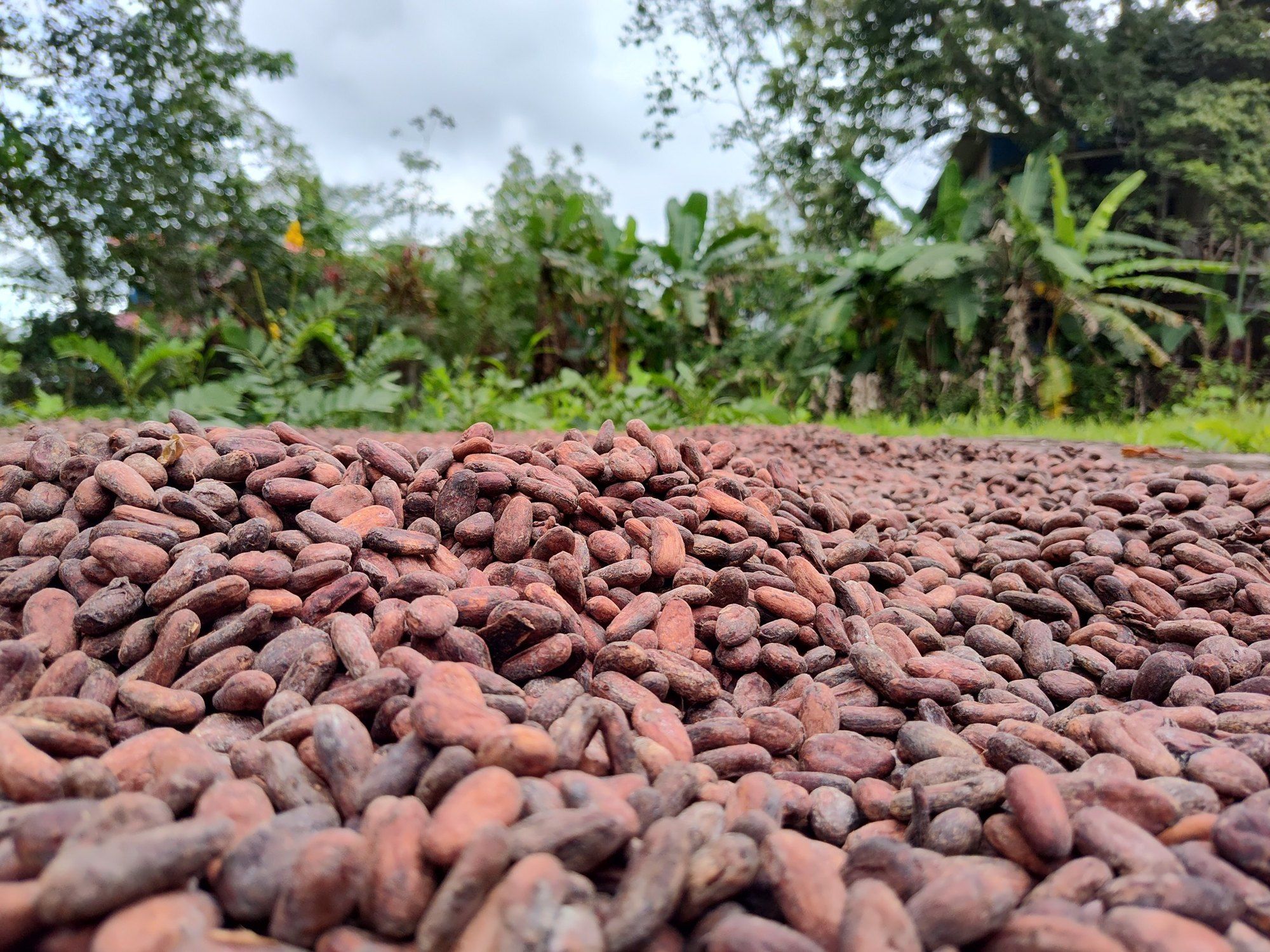
COCABO was formed to give those families a buyer other than the intermediaries. Today it has around 1,400 members, about 95 percent of them indigenous, mostly Ngäbe-Buglé and Naso, farming close to 4,400 hectares that are certified organic and fair trade. It buys wet and dry beans, ferments and dries centrally, and exports container loads: 16 containers and 327 tonnes in 2013, for example. Nationally Panama exported about 710 tonnes of cacao in 2020, so the cooperative is most of the country’s export.
Its best-known partner is Equal Exchange in the United States, which has bought COCABO beans for decades and documents the relationship on its site. Beans also reach European makers, which is why a “Panama” bar on a shelf in Zurich or Amsterdam is very likely Bocas cacao that passed through the warehouse in Almirante.
Like many cooperatives it diversified to survive: bananas and pineapples, hardware stores and a sawmill support the cacao business through lean years.
What it does not solve
COCABO pays a cooperative price for a cooperative standard, which keeps families in cacao but does not reward the farmer who ferments better than her neighbour. That gap is where the new conversation in Bocas lives: microlots, farm-level fermentation protocols, tasting panels and direct sales to bean-to-bar makers who will pay for flavour. It is also where the European Union’s deforestation regulation, which demands plot-level traceability from 2026, lands hardest. The cooperative’s organic certification and member registry give it a head start that individual growers do not have.
Why it matters to a visitor
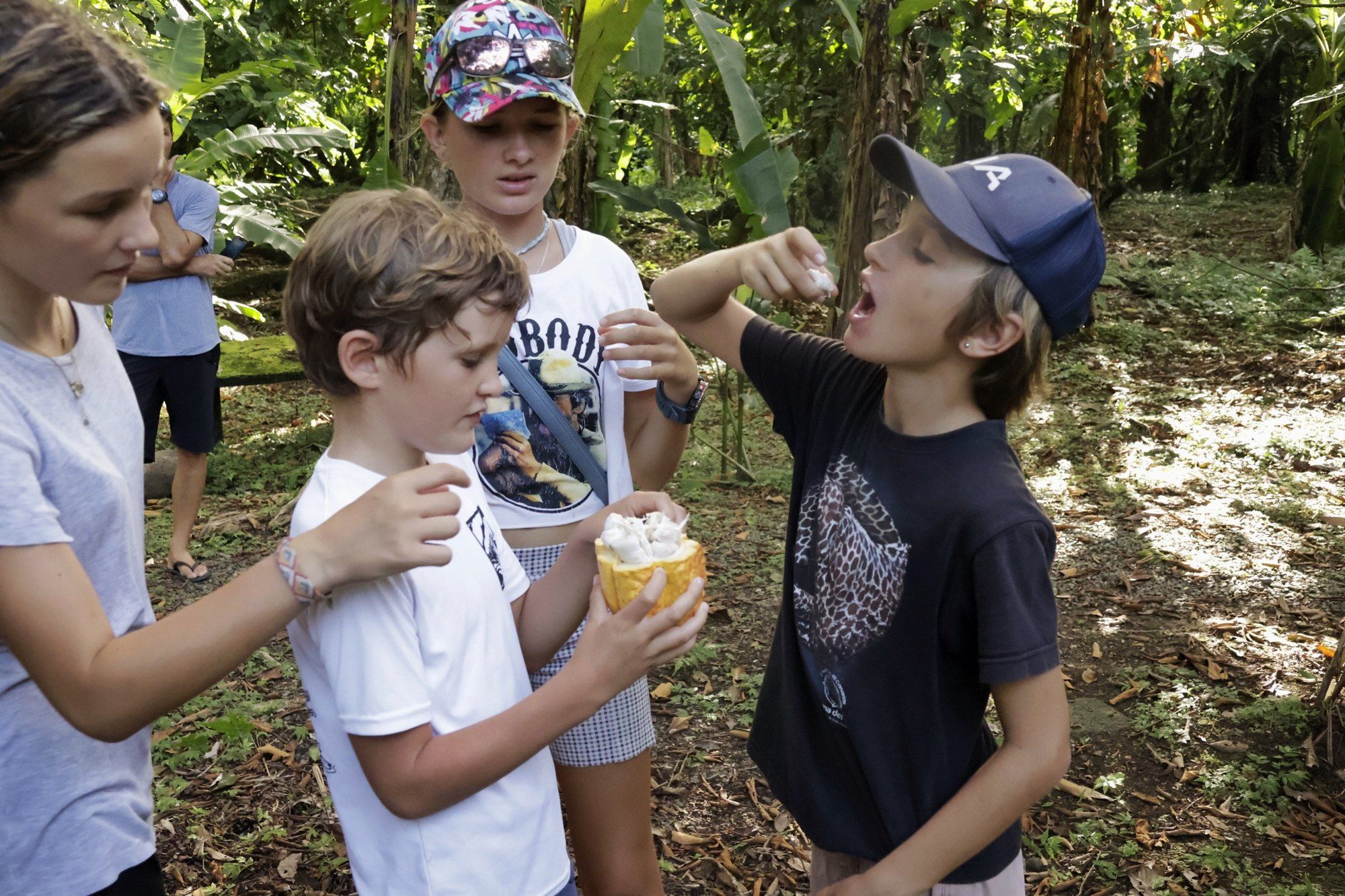
If you buy a Panamanian bar anywhere in the world, there is a good chance a COCABO member grew it. If you take a tour near Almirante, your guide’s family is probably a member. And if you want to understand why Bocas cacao is organic almost by default, the answer is a cooperative that decided in the 1990s that certification was the only way smallholders under forest shade could compete with plantations.
Sources: Equal Exchange, COCABO cooperative profile · Swiss Chocolate, Cocabo and the EUDR · La Estrella de Panamá, Buscan mejorar negocio del cacao · Field Studies, The forgotten fruit of Bocas del Toro
Newsletter
The Pod
One letter a month from a cacao farm in Bocas del Toro: harvest news, new makers, tours worth booking, and what we are learning about Panama’s cacao. No spam, unsubscribe any time.