Learnchocolaterecipes
“Ceremonial” cacao, drinking chocolate and a bar: what is actually the difference?
The same bean, three products, a lot of marketing. What “ceremonial cacao” really is, why our farm does not use the word, how cacao is drunk in Bocas kitchens, and how to make it at home.
Every month someone writes to ask whether our farm sells “ceremonial cacao”. The honest answer is that we sell cacao, 100 percent, ground from our own fermented beans, and we do not put the word “ceremonial” on it. Here is what the word means, what it does not, and why we leave it off.
Three products from one bean
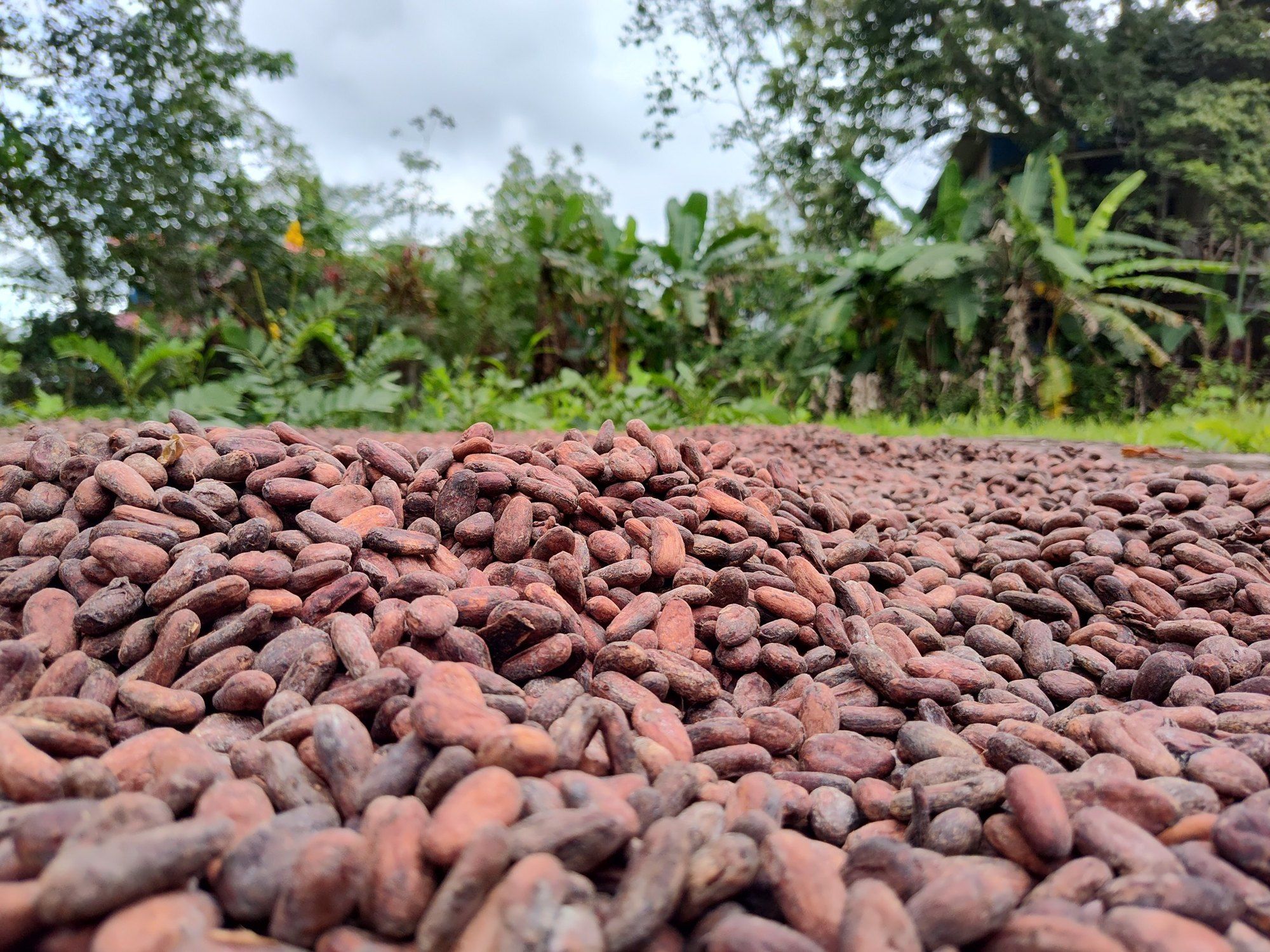
All three start the same way: harvested, fermented, dried, roasted and ground. The difference is what happens after grinding.
Cacao paste, or liquor, or “ceremonial cacao”. Ground roasted beans and nothing else. It is 100 percent cacao, roughly half cocoa butter by weight, sold as blocks, discs or chips. In Bocas it is simply cacao, and every household has a block of it.
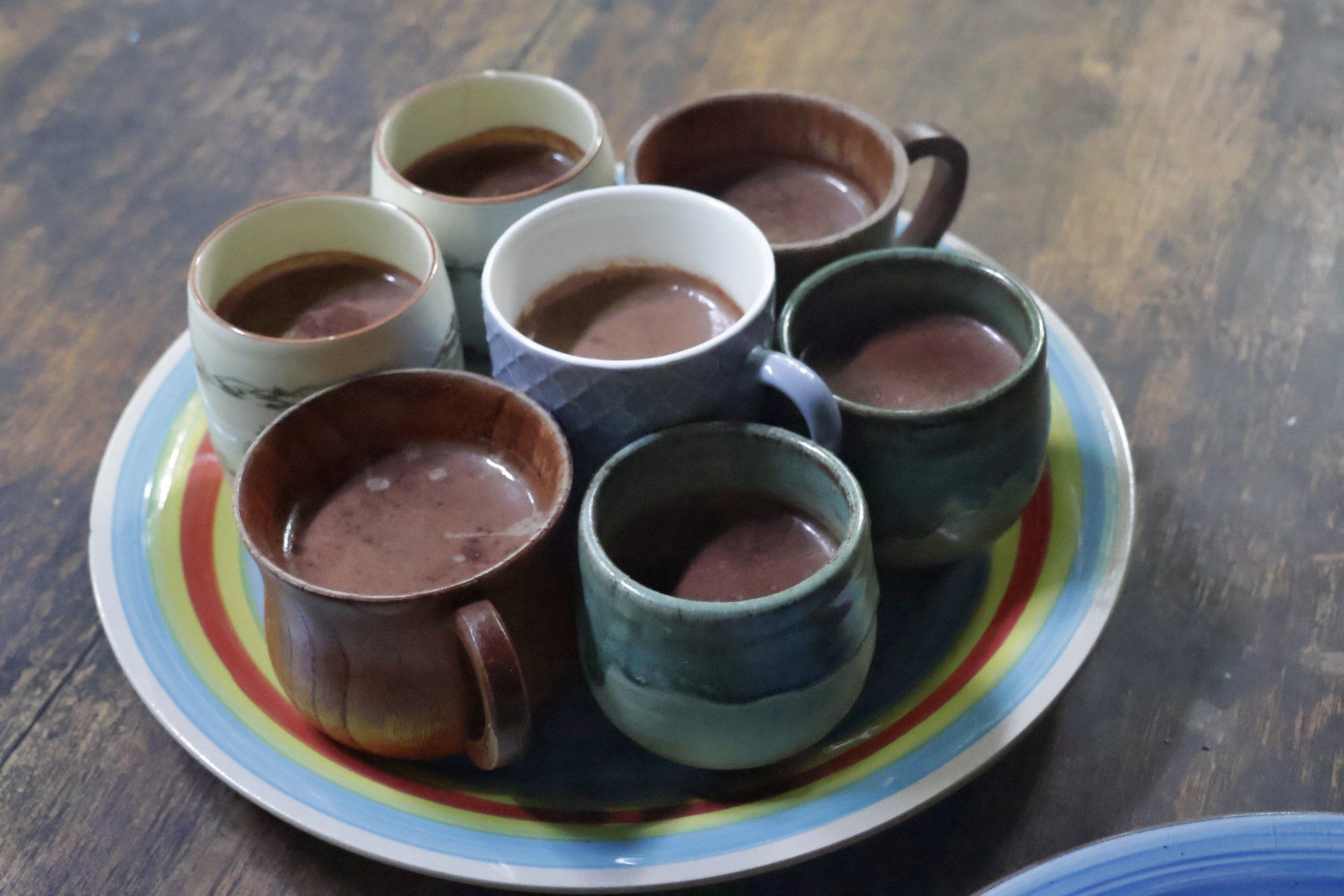
Drinking chocolate. The same paste with sugar, and in Panama usually with a little cinnamon, chili or black pepper, grated into hot water or milk. Thick, bitter-sweet and the normal breakfast drink in cacao country. Not to be confused with cocoa powder, which is cacao with the fat pressed out.
A bar. Paste ground much finer in a melanger for a day or two, with sugar and sometimes extra cocoa butter, then tempered so it snaps and shines. The texture and the temper are what you pay a maker for.
What “ceremonial” really describes
The word comes from the contemporary cacao-ceremony movement, which borrows from Mesoamerican traditions in which cacao was a ritual and currency drink. In the market it usually means:
- 100 percent cacao, no sugar;
- minimally processed, often lightly roasted or not conched;
- traceable to a farm or cooperative, often with a story.
None of that is regulated. “Ceremonial” tells you nothing about quality, fermentation or whether the beans were dried properly. A well-made Bocas paste meets every definition of the term; a mouldy one with a nice label does not.
Why we do not use the word
Two reasons, and we feel strongly about both.
Hype. The word has become a price tag. The same 100 percent paste that a Bocas family sells for a few dollars a block is repackaged abroad at five to ten times the price with words like “heart-opening” and “high vibration” attached. The premium goes to the wellness brand, not to the people who fermented the beans. Calling our cacao “ceremonial” would be joining a story we do not believe in and do not profit from.
Misappropriation. The ceremonies sold to tourists borrow from Maya and Mexica traditions, often performed by people with no connection to those cultures, and marketed as ancient and universal. In Panama the cacao is grown mostly by Ngäbe and Naso families, who have their own uses for it and are not the ones running the ceremonies. We would rather tell their story accurately than dress ours in someone else’s.
So what you get from us is cacao. Good cacao, with the farm, the harvest and the fermentation on the label. What you do with it is yours.
How it is drunk here
The farm recipe, which is also the one we serve on tours:
- Grate or chop about 30 g of cacao paste per cup.
- Heat water (or half milk) to just below boiling.
- Whisk in the cacao until smooth and slightly frothy.
- Sweeten with panela or honey, or do not.
- Add a pinch of chili, cinnamon or black pepper, and drink hot.
No molinillo needed, though a small whisk helps. If you want the full effect, drink it slowly, in the morning, before a walk.
If you cannot get Panamanian paste
Good 100 percent cacao paste from any origin behaves the same way. Our buying guide lists what to look for on Amazon, where Panamanian cacao is scarce. Search for 100 percent paste or liquor and read the origin, not the adjectives; much of it is sold under the “ceremonial” label, which is fine as long as you know that is marketing.
Some links on this page are Amazon affiliate links. If you buy through them we earn a small commission at no extra cost to you. It helps keep the site running.
Newsletter
The Pod
One letter a month from a cacao farm in Bocas del Toro: harvest news, new makers, tours worth booking, and what we are learning about Panama’s cacao. No spam, unsubscribe any time.