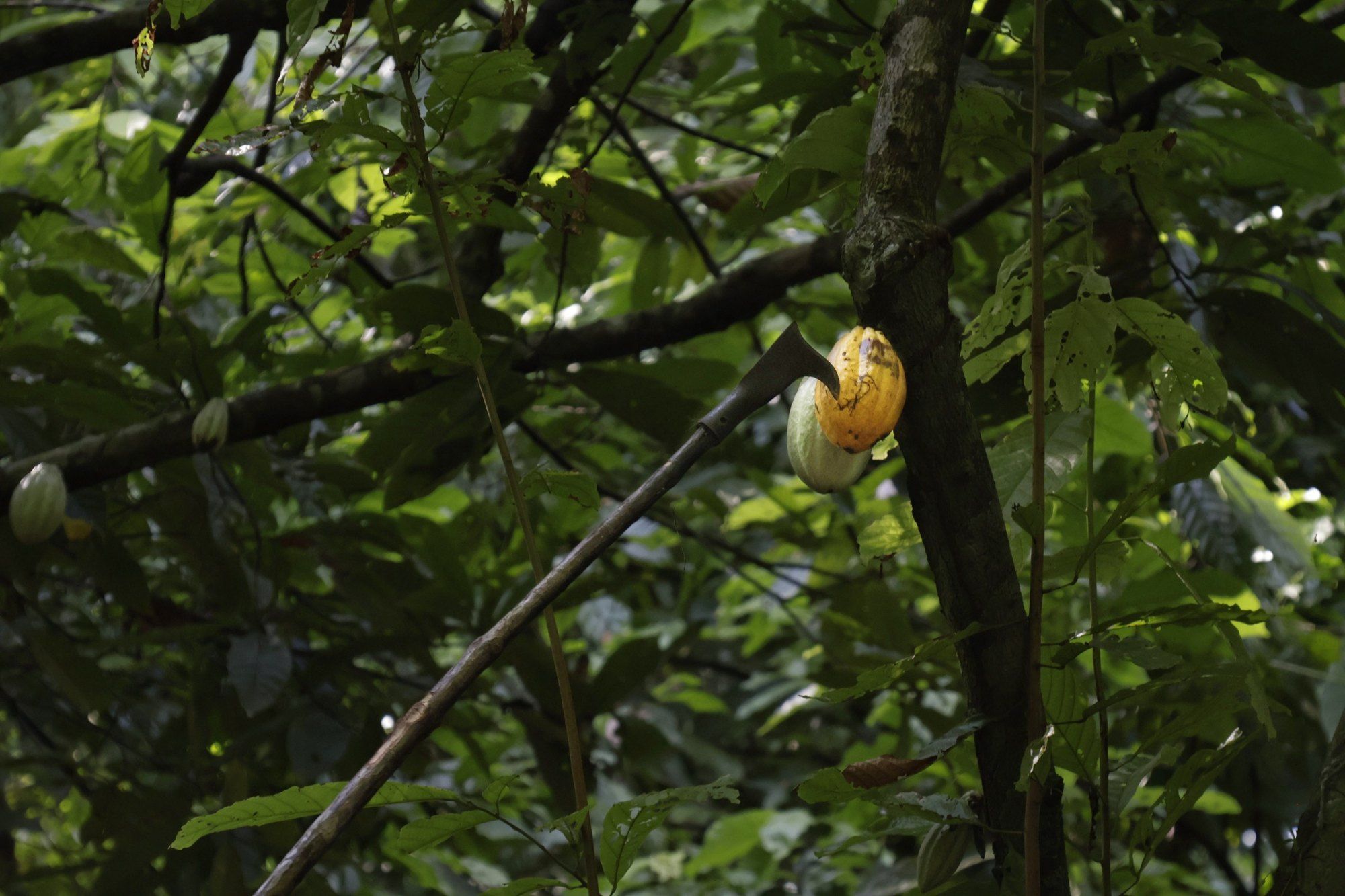
East of Colón city the road narrows along the Caribbean until it ends at Cuango, and this is Costa Arriba: fishing villages, colonial forts, Congo drumming and small cacao plots that have been replanted over the last decade with government and NGO support. It is the second cacao region in the official statistics, far behind Bocas, but the one closest to the capital and to the cruise and surf traffic of Portobelo. Cacao was traded through these ports in colonial times; today the bet is on agroforestry on former pasture, community processing and a tourism product that pairs chocolate with Congo culture, which UNESCO recognised as intangible heritage in 2018.
What to know
- Around 150 hectares were planted in the community of Cuango alone in a recent push.
- Two to three hours from Panama City by car, which makes it the easiest day trip for a cacao-curious visitor.
- The I Love Panama Chocolate brand draws on Congo culture for one of its bars.
- Expect rain, rivers and mud; the road past Nombre de Dios is slow.
Visiting
There is no fixed chocolate tour circuit yet. Base yourself in Portobelo, ask at guesthouses about cacao plots in Santa Isabel and Cuango, and combine with the forts and Congo culture.
- Doña Toña agrotourism farm, Cacique, Portobelo district, Colón. A MIDA/ATP-certified agrotourism farm growing cacao among other crops, with lookouts, a beach, camping, horseback riding and lodging. No fixed chocolate circuit yet in Costa Arriba; MIDA is now registering farms in Santa Isabel and Cuango for agrotourism. Website →
Sources: Panamá América, Panamá siembra 6,300 hectáreas de cacao · Revista SUMMA, Industria del cacao y el chocolate de Panamá